Author: kwamebrew

  • 5 Working Hacks to Shed Fat Fast: Skip if you can’t be disciplined and consistent.

    5 Working Hacks to Shed Fat Fast: Skip if you can’t be disciplined and consistent.

    Losing weight can be a lot of work simply because it requires a lot of discipline and hard work additionally you need to be very consistent, I know this because I have been there before.

    Last year I decided to shed off a few pounds so I first of all got myself weighing scale at home to monitor my progress and keep myself accountable. I also decided to make some dietary changes to what I eat I also incorporated intermittent fasting and a lot of walking including intensive cardio.

    Why did I decide to do this first of all I wanted to change the way I look and also be able to live a more healthy lifestyle and what I can tell you as someone who has lost 12 kg in the past few months to get to my ideal weight it is that it was the best decision of my life

    When I meet people who in the past have tried to lose weight and have not been successful talk about how difficult it is Yes I sometimes give you them but frankly speaking, it is something that is not impossible to achieve I decided to make them big changes in my life and to do that I needed to start small by changing something assemble as my weight.

    In this blog post I want to share with you certain tips that have been very helpful to me in my weight loss journey. The most important thing you need to learn here is to be very consistent with what I will share with you.

    Read Also: How to Lose Belly Fat with Common Ghanaian Ingredients

    Let me share some tips on how to shed weight fast.

    1 Fix your relationship with food

    This is first on the list because it is the most important. “You are what you eat”. This is a saying that has become quite popular bcause what you allow into your system determines how you would eventually look and feel.

    When it comes to food, it can be very tempting and just like anything tempting you need discipline to avoid some, choose better options and moderate the quantity you consume. This is what I mean by fixing your relationship with food. You should be in control of the food and not the other way around.

    Useful tips to fix relationship with food:

    1. Keep unhealthy food away from your fridge and home
    2. Have someone check up on what you eat and be accountable to them
    3. Maintain a Good sleeping Schedule
    4. Take in a lot of water before meals and after meals to feel fuller for longer

    2 Intermittent fasting is the sure way to Go.

    Working Hacks to Shed Fat Fast

    When we were kids we were told that breakfast is the most important meal of the day. well, that’s not true.

    studies have shown that skipping meals especially breakfast as part of an intermittent fasting diet, have been known to help regulate hormones like insulin which plays a very key role in weight loss.

    High Insulin Levels means 0 fat burn. Lower insulin levels means 100% fat burn.

    3 Cut out Sugar as best as you can.

    How cutting out sugar accelerates weight loss and improves overall health
    Working Hacks to Shed Fat Fast

    Just like the previous point, sugar in the form of the liquid drinks, food or highly processed forms are bad for you if you are planning on losing weight. This is because they spike your insulin levels aside the other health complications that come with it.

    One of the first things you will notice that should encourage you to stay on track on your weight loss journey is that your face will begin to look slimmer. You will notice a lot of fat loss happening on your face and people are going to ask you if you are ok because your face is giving slim vibes.

    Read Also: Truth about Herbal Teas in Ghana: Do they really help you to lose weight?

    4. Exercise Consistently

    Yes exercising helps a lot with weight loss. Keep in mind that exercise does not make you burn fat rather it puts your body in a condition where it is able to use the FATS that is stored in it for fuel.

    You can combine weight training and cardio exercises to lose weight faster that is if you are following a proper diet cutting down on sugar, and making the right dietary choices. Do not expect to lose any significant weight if you are exercising, but not watching what you eat the two goes hand in hand

    If you’re going to combine strength training and cardio, make sure the weights training or the strength training comes first before the cardio. Doing strength training increases your muscle mass and when your muscle mass increases your basic metabolic rates which is the rate at which your body burns fuel when at rest increases. Meaning the more muscles you have, the higher you burn calories even when at rest. Follow the weight training with cardio to maximize fat burning.

    Walking is also another form of exercise that is often underrated. By walking you burn a lot of fats without even noticing or running out of breath. This is very helpful if you are new to intensive workouts or have joint problems.

    5. Good Quality Sleep

    Natural Teas to Help You Sleep Longer and Better at Night
    Working Hacks to Shed Fat Fast

    I cannot stress this enough, but getting quality sleep at least 7 to 9 hours each night helps your body to replenish and repair itself. Also getting sleep helps your body to regulate certain hormones that affect weight loss and weight gain. One of these popular hormones is cortisol, the stress hormone.

    When cortisol is high your body tends to store more fat around the midsection which is your stomach area.

    Stress is your body’s way of preparing for impending danger hence it tries to reserve fuel for a flight or fight response. This is what you see as a pot belly, but we don’t want any of that so we need to control our stress levels by making sure that we get quality sleep to repair worn out tissues from exercises and also to reduce the stress hormone.

    Additionally sleeping on time helps you to avoid those midnight cravings. You can fall on herbal tea if you must stay up late and can’t avoid the late night cravings. Besides adjusting diet and exercise, some people turn to herbal remedies. Soursop leaf tea has been studied for its antioxidant and anti‐inflammatory properties which may support weight loss — see Soursop Leaves: The Magical Underrated Benefits for more detail.

    In conclusion, I would like to say that following all the steps and not being consistent would be a waste of your time because to achieve results and to make a difference you need to be consistent.

    Forget about cheat days or cheat meals, those things are only going to make you backslide into making bad unhealthy choices. The way you gained weight did not happen overnight the same way you shouldn’t expect to lose weight overnight.

    It will require a lot of hard work, determination and discipline. Keep in mind that repairing your relationship with food is the most important way to lose weight.

    Follow my page on Facebook Here: infohealth

    .
  • Health Benefits of Pawpaw Leaves: The Magical Leaves You’ve Been Missing Out On

    Health Benefits of Pawpaw Leaves: The Magical Leaves You’ve Been Missing Out On

    Health benefits of Pawpaw leaves: When I was a child growing up, my grandmother had a cure for almost everything—and surprisingly, it almost always came from the backyard. One of her favorites was pawpaw leaves. Not because of its taste but its functionality.

    Anytime someone in the house caught a fever or had digestive troubles, she’d send me out to pluck a few of the large, jagged leaves from the papaya tree beside our house. She’d boil them into a bitter tea.

    Back then, I didn’t understand the value of what seemed like just another cup of hot bitter tea. But today, science is beginning to confirm what traditional wisdom has known all along: the health benefits of pawpaw leaves are real—and they might just be the natural remedy you’ve been missing out on.

    Read Also: Walking Barefooted: Why It Could Save Your Life

    🌿 What Makes Pawpaw Leaves So Powerful?

    health benefits of pawpaw leaves

    The Carica papaya plant, commonly known as pawpaw or papaya, is best known for its sweet, tropical fruit. However, its leaves are a lesser-known treasure trove of medicinal properties. Rich in bioactive compounds like papain, flavonoids, alkaloids, and antioxidants, pawpaw leaves have been used for centuries in traditional medicine systems across Africa, Asia, and South America.

    As both an advocate of natural remedies and a researcher passionate about plant-based health, I’ve explored various studies and firsthand experiences that reveal how these leaves are far more than old wives’ tales.

    ‎Follow the InfoHealthGh channel on WhatsApp: https://whatsapp.com/channel/0029Va7j1SgGE56e8pagc22u

    🩸 1. They Can Increase Platelet Count in Dengue Patients

    Let’s start with one of the most well-documented benefits. In places like India, Sri Lanka, and Nigeria, pawpaw leaf juice is commonly used to support patients with dengue fever, a mosquito-borne virus that causes dangerously low platelet levels.

    A 2011 study published in the Asian Pacific Journal of Tropical Biomedicine found that patients treated with pawpaw leaf extract showed significant increases in platelet count within 24–48 hours. Researchers believe this is due to the leaf’s ability to support bone marrow function and immune activity.

    It’s this kind of evidence-based support that makes pawpaw leaves not just a traditional remedy, but a potentially life-saving one in certain contexts.

    🔥 2. Anti-inflammatory and Antioxidant Powerhouse

    health benefits of pawpaw leaves

    When I finally tried pawpaw leaf tea as an adult (admittedly with my nose pinched), I wasn’t expecting much. But after a few days of regular use, I noticed something surprising—less joint stiffness and a calmer gut.

    That wasn’t a placebo. Scientific analysis shows that pawpaw leaves are packed with anti-inflammatory compounds and antioxidants like vitamins C, E, and beta-carotene. These nutrients help neutralize free radicals, reduce oxidative stress, and may even slow down cellular aging.

    For people battling chronic inflammation—from arthritis to autoimmune conditions—pawpaw leaves might offer a simple, natural form of relief.

    💡 3. Support for Digestive Health

    Anyone who’s struggled with bloating, indigestion, or acid reflux knows how uncomfortable it can be. Pawpaw leaves contain digestive enzymes like papain and chymopapain, which help break down proteins and ease digestion.

    Traditional healers have used pawpaw leaves for centuries to treat ulcers, reduce gas, and cleanse the gut. In our modern diet, where highly processed foods disrupt the microbiome, this ancient remedy could be a gentle and effective reset.

    🛡️ 4. Strengthening Immunity the Natural Way

    In today’s world, where immune health has taken center stage, pawpaw leaves offer an accessible way to boost your body’s natural defenses. With their rich supply of vitamin A, C, and essential phytochemicals, these leaves help support immune function at a cellular level.

    Whether you’re recovering from illness or just trying to stay ahead of seasonal bugs, adding pawpaw leaf tea to your routine could provide an extra layer of protection.

    Read Also: NSAIDs and Stomach Ulcers: Understanding the Risks and Exploring Safer Pain Relief Options

    🧬 5. Possible Anti-Cancer Properties

    Perhaps one of the most exciting areas of research is the potential anti-cancer activity of pawpaw leaves. Preliminary studies have shown that certain compounds in the leaves may inhibit the growth of cancer cells, particularly in breast, cervical, and prostate cancers.

    While this doesn’t mean pawpaw leaves are a standalone cure, it’s a compelling argument for their use in supportive or preventive care, under the guidance of a qualified health professional.

    🩺 6. Helps Regulate Blood Sugar Levels

    Animal studies have suggested that pawpaw leaf extract can lower blood glucose and improve insulin sensitivity, making it a promising natural aid for those managing type 2 diabetes.

    As someone with a family history of diabetes, this piqued my interest. While more human studies are needed, the evidence so far supports the use of pawpaw leaf tea as part of a holistic approach to blood sugar management.

    ⚠️ A Note of Caution (Because Natural Doesn’t Mean Risk-Free)

    While the health benefits of pawpaw leaves are compelling, it’s essential to use them wisely:

    • Pregnant women should avoid pawpaw leaves due to possible uterine-stimulating effects.
    • People on blood-thinning or diabetic medication should consult a doctor first.
    • The juice is very bitter, so start small (1–2 tablespoons per day if you’re new).

    ☕ How to Prepare Pawpaw Leaf Tea

    health benefits of pawpaw leaves

    Simple Recipe:
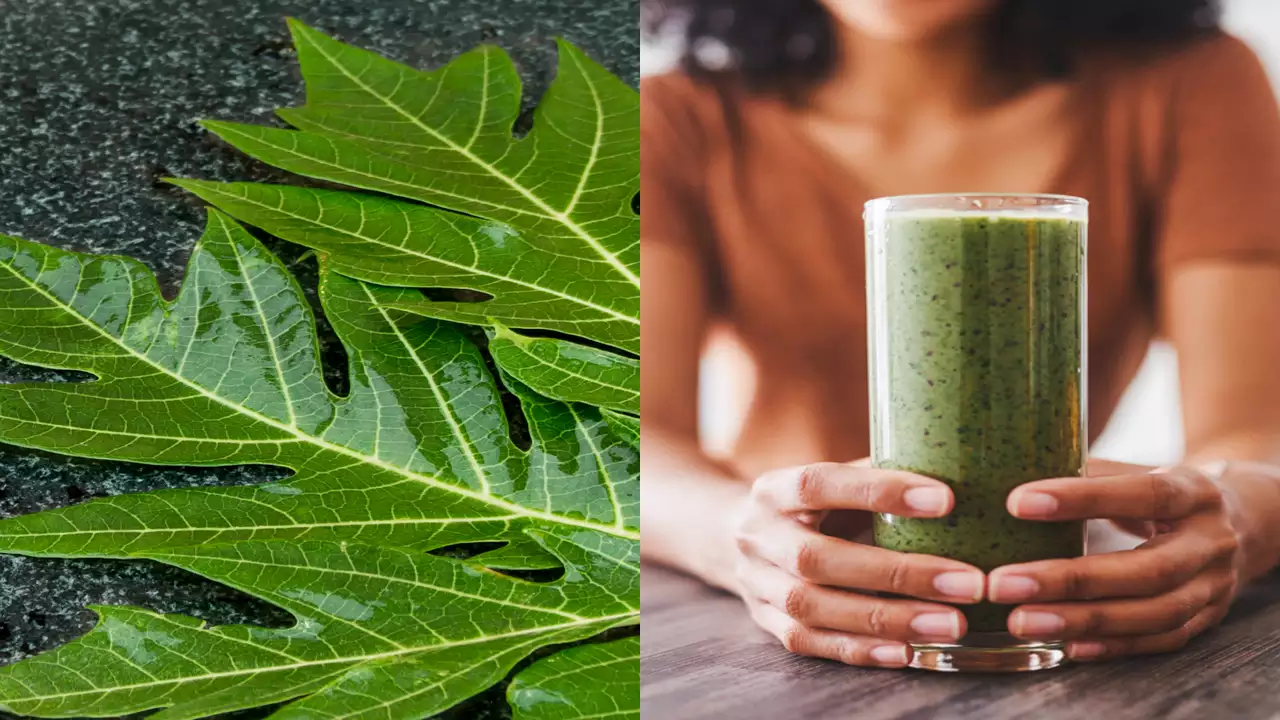
    Boil 5–7 medium-sized pawpaw leaves in 1.5 liters of water for 15–20 minutes. Allow to cool, strain, and drink half a cup twice a day. Store in the fridge for up to 2 days.

    From the dusty paths of village life to the clinical corridors of modern research, pawpaw leaves are finally getting the recognition they deserve. What was once considered a bitter “bush remedy” is now seen as a powerful natural ally for supporting immunity, digestion, inflammation, and even chronic disease prevention.

    As I sip a warm cup of pawpaw leaf tea today, I think of my grandmother—and how right she was all along. These really are the magical leaves you’ve been missing out on.

  • Walking Barefooted: Why It Could Save Your Life

    Walking Barefooted: Why It Could Save Your Life

    In today’s fast-paced world, health trends come and go, but some ancient practices stand the test of time. One such practice—walking barefooted—has been quietly offering health benefits for centuries. From age-old traditions to emerging scientific studies, the act of simply removing our shoes and connecting with the earth could be more transformative than we realize.

    Whether you’re an urban dweller walking barefoot in your backyard or a beachgoer soaking in the sand, grounding yourself to the earth may offer physical, emotional, and even spiritual rewards. Let’s explore the benefits of walking barefooted, including what ancient wisdom, modern science, and even urban myths say about this natural practice.

    Read Also: How Your Smartphone is Secretly Damaging Your Brain.

    The Ancient Connection Between Feet and Health

    Ancient Chinese and Ayurvedic medicine both emphasize the importance of the feet in overall health. Reflexology, a traditional healing art practiced for thousands of years, holds that different areas of the soles of the feet correspond to various organs in the body. According to this philosophy, stimulating these points—especially through natural contact like walking on earth, sand, or stones—can help restore balance and promote healing in internal systems.

    The idea is simple: our feet are densely packed with nerve endings and pressure points. When you walk barefoot, especially on uneven or natural surfaces, these points are naturally stimulated. This can potentially improve circulation, digestion, liver function, and more. While more scientific validation is needed in this area, many practitioners and wellness enthusiasts report significant benefits.

    benefits of walking barefooted

    Modern Science Backs It Up

    Recent studies have started to explore the physiological effects of grounding, or “earthing,” which involves direct skin contact with the surface of the Earth. A 2012 study published in the Journal of Environmental and Public Health suggested that grounding may reduce inflammation, improve sleep, normalize cortisol levels, and enhance mood. These findings align with reports from individuals who regularly practice barefoot walking.

    When your bare feet touch the earth, they absorb electrons from the ground. These negatively charged electrons are thought to act as antioxidants, neutralizing free radicals and potentially reducing inflammation in the body. While the concept may sound fringe to some, the early results are promising and worth further exploration.

    A Curious Tale: The Barefoot Madman

    benefits of walking barefooted

    I once heard someone in a taxi attribute the health status of a mad man to their frequent walking. Implying that they are healthy because they often walk barefooted. The benefit of the long walk is felt in their cardiovascular health but the emphasis on the “barefoot” sparked some curiosity in me. Could there be something protective about being in constant contact with the ground? It may not be the only reason someone appears to avoid illness, but it raises interesting questions about the immune-boosting potential of living more naturally barefoot and all.

    Physical Benefits of Walking Barefooted

    Here are some of the top benefits of walking barefooted, supported by both anecdotal evidence and emerging research:

    1. Improved Foot Strength and Mobility

    Shoes—especially those with excessive cushioning—can weaken the muscles in your feet over time. Walking barefoot forces your feet to work harder, promoting natural muscle development and flexibility.

    2. Enhanced Balance and Coordination

    Barefoot walking improves proprioception—your body’s ability to sense its position in space. This can help with coordination, reduce the risk of falls, and support neuromuscular health.

    3. Better Posture and Alignment

    Shoes often alter our gait and posture. Going barefoot helps reset natural walking patterns, which can alleviate back, knee, and hip pain over time.

    4. Stress Relief and Mindfulness

    There’s something deeply calming about walking barefoot in nature. It’s a simple form of mindfulness that encourages presence, relaxation, and mental clarity.

    Safety First: Tips for Going Barefoot

    benefits of walking barefooted

    While the benefits of walking barefooted are compelling, it’s important to take precautions:

    • Start slow: If you’re not used to it, begin with short walks on safe, clean surfaces like grass or sand.
    • Be mindful of terrain: Avoid areas with sharp objects or potential contaminants.
    • Consider your health: People with diabetes or foot neuropathy should consult a healthcare provider before going barefoot.

    Read Also: Your Body Is Begging for a Digital Detox: How it can Change Your Life.

    The Bottom Line

    Modern life often disconnects us from nature, and that disconnection may come at a cost. Walking barefooted may not be a cure-all, but its ability to strengthen the body, calm the mind, and reconnect us to the earth is worth exploring.

    As both ancient wisdom and modern research suggest, our feet are more than just a means of getting around—they are powerful gateways to better health. So, the next time you have a chance, kick off your shoes and reconnect with the ground beneath you. Who knows? It just might save your life.

  • How to Lose Belly Fat with Common Ghanaian Ingredients

    How to Lose Belly Fat with Common Ghanaian Ingredients

    Belly Fat Loss Ghana: Let’s face it, belly fat has become the unwanted guest that refuses to leave. It sneaks up on you after the third bowl of fufu or that late-night waakye binge. Before you know it, you’re avoiding tight and skin showing clothes and side glances from your aunties at Sunday service, not like it helps to hide it.

    Belly fat is by far the devil of everyone, old, young, male and female. It is very easy to let in but hard to send away. Most times it succeeds in taking away your confidence and beauty leading you to have a low self-esteem. To get rid of it quickly, people resort to drugs and surgeries for fast result however these methods are either risky or expensive.

    But the good news? You don’t need imported shakes or expensive gym memberships to beat the bulge. The answer lies in your kitchen. Yes, the same kitchen where your mum makes her legendary light soup. Ghanaian ingredients can help you trim that belly in a natural, affordable, and delicious way.

    Here are some belly-fat-blasting champions you probably already have in your kitchen:

    1. Lemon Water in the Morning

    Start your day with warm lemon water. It boosts metabolism, helps digestion, and acts as a natural detox. Plus, it tricks your body into thinking you’re already on top of your life (even if your WhatsApp messages say otherwise).

    Tip: Squeeze half a lemon into warm water and drink on an empty stomach every morning.

    2. Ginger (Akakaduro)

    This spicy root doesn’t just bring the fire to your soups; it also helps burn belly fat by increasing thermogenesis (that’s a fancy way of saying it makes your body burn more calories). It also keeps your digestive system in check.

    Use it in: Herbal teas, smoothies, or grating it fresh into your meals.

    3. Garlic

    Garlic is a powerhouse. Studies have shown it helps regulate fat cells and improves metabolism. Your breath might not win any awards, but your waistline will thank you.

    Pro tip: Mix crushed garlic with lemon juice and take a spoon daily before breakfast. Just warn your significant other in advance.

    4. Cayenne Pepper (Meko Shito)

    belly fat loss Ghana

    Cayenne pepper boosts your metabolism and reduces appetite. Plus, it adds an exciting kick to any dish. For a spice that is able to suppress hunger, you should know that you will consume lesser calories. — who said dieting had to be bland?

    How to use: Sprinkle a bit in soups, stews, or even try it in tea (if you’re brave).

    5. Avocado (Pears)

    belly fat loss Ghana

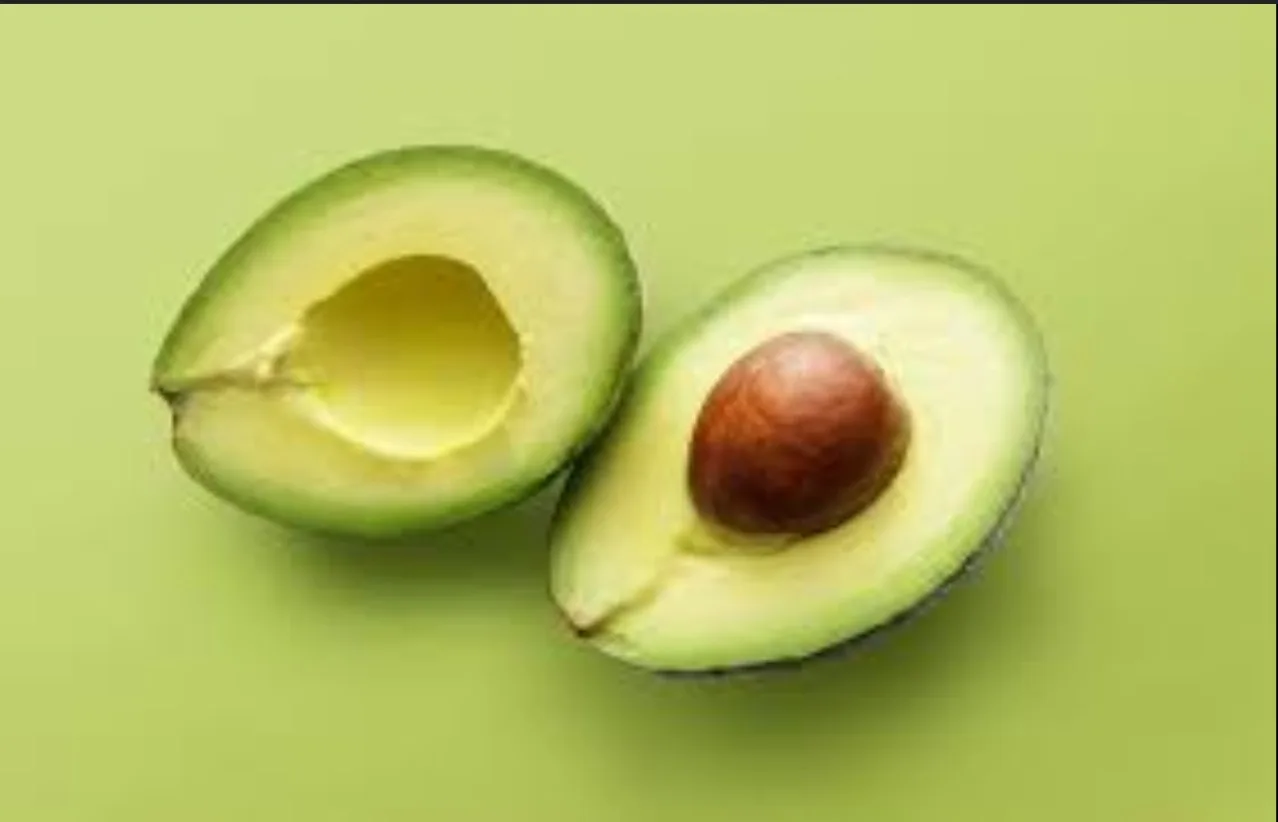
    Avocados are fatty — but it’s the good fat that helps burn the bad fat. They’re rich in monounsaturated fats and fiber, both of which help reduce belly fat plus it is tasty and refreshing.

    Eat as: A few slices of avocado on waakye or gari and beans is a perfect starter pack for the day not to forget the perfect and healthy snack bites, avocado sandwich with a glass of milk or juice. These are a few mouth watering but healthy options, just don’t go overboard — portion control still matters!

    6. Green Tea with Moringa or Lemon Grass

    belly fat loss Ghana

    Green tea is known worldwide for its fat-burning properties. Boost it with local herbs like moringa or lemon grass to increase antioxidant power and add a Ghanaian twist. It may be bitter to swallow but definitely works wonders on your body.

    Drink: 1-2 cups daily. No sugar — we’re trying to lose belly fat, remember?

    Read Also: Healthy Ghanaian Breakfasts to Lose Weight: Smart Choices for Sustainable Results

    7. Kontomire (Cocoyam Leaves)

    Rich in fiber, iron, and antioxidants, kontomire is great for digestion and fullness. The fiber helps control hunger, so you’re not tempted by the 11 p.m. meat pie.

    Eat in: Stews, soups, or add to smoothies (yes, really).

    Small Changes, Big Results

    As a food lover, you do not have to do away with food and have strict and unpalatable diet. That is not a happy life. Such an extreme measure may develop in depression and lack of appetite. Therefore you don’t need to starve or say goodbye to all your favorite foods. Just make smarter choices. Reduce white rice portions, swap sugar for honey, drink more water, and walk a little more (even if it’s just to buy kelewele).

    Losing belly fat isn’t about punishment; it’s about creating a lifestyle you can maintain — with foods you actually like. And in Ghana, that’s easier than you think. With smart decisions a good but healthy life is possible.

    So the next time you reach for that jollof, maybe go easy on the oil and heavy on the veggies. Your waistline will thank you — and so will your church outfit.

    Ready to start your belly-fat-loss journey with Ghanaian flavor? Share this with a friend who needs to drop the “after-waakye belly” too!

  • Your Body Is Begging for a Digital Detox: How it can Change Your Life.

    Your Body Is Begging for a Digital Detox: How it can Change Your Life.

    In today’s fast-paced and hyperconnected world, our phones have become more than just communication tools, they have become a part of us. I dare to say they are now an extension of our arm. They serve as our alarm clocks, news sources, cameras, music players, and social lifelines—all packed into one small device.

    While smartphones offer convenience and entertainment, they also come with an invisible chain that keeps us constantly plugged in, mentally distracted, and emotionally drained. In fact, a study conducted by the University of Ghana in collaboration with the Ghana Health Service revealed that excessive smartphone use, especially late at night, was linked to increased cases of sleep disturbance, anxiety, and reduced academic performance among university students. The Impact of the Use of Smart Mobile Devices on Sleep Quality among Health Trainees at College of Health and Well-Being, Kintampo-Ghana

    This is where the idea of a digital detox comes in—and it might just be the lifestyle shift you didn’t know you needed.

    What Is a Digital Detox?

    A digital detox is a deliberate break from your phone, social media, and other digital screens to focus on real-life interactions and self-care. It doesn’t necessarily mean ditching your devices forever but rather hitting the pause button to reset your mind, body, and habits.

    Many people in Ghana and around the world are beginning to recognize the toll that constant connectivity takes on their mental health, sleep, relationships, and productivity. By stepping away—whether for a few hours each day or an entire weekend—you give your brain the space it needs to breathe and feel relaxed.

    The Hidden Costs of Constant Connectivity

    How Your Smartphone is Secretly Damaging Your Brain

    Most of us instinctively reach for our phones as soon as we wake up without even checking if our legs still work.

    We scroll through WhatsApp messages, check Instagram, browse Twitter, or catch up on the news before even getting out of bed. Throughout the day, we’re interrupted by beeps, vibrations, and pop-up notifications that fragment our focus and steal our attention, distracting us from engaging in more fulfilling activities.

    Research has shown that excessive screen time can lead to:

    • Increased anxiety and depression
    • Poor sleep quality
    • Reduced productivity
    • Impaired memory and concentration
    • Strained relationships

    In Ghana, where social media platforms like TikTok, Facebook, and Twitter are growing rapidly, many young people find themselves spending hours online, often without realizing it. It’s easy to feel constantly “switched on”—and mentally exhausted as a result.

    How a Digital Detox Can Improve Your Life

    There is the need to take a break from your screen and relax your mind and eyes. Now that we know the negative effects of excessive screen time let us look at the benefits we stand to gain from a digital Detox and how it can improve our lives.

    1. Improved Mental Health

    Taking a break from your phone reduces exposure to negative news, online arguments, and the constant comparison trap on social media. You begin to feel less anxious, more grounded, and better able to connect with your thoughts. Additionally you dont have to deal with the false pressure from those who post their flashy fake lifestyle on social media.

    2. Better Sleep

    Blue light from screens interferes with melatonin production, making it harder to fall asleep. A detox—especially avoiding phones at least an hour before bed—can dramatically improve your sleep quality. This is something I have personally tried and it worked for me. As someone who often struggled to get at least 5 hours of uniterrupted sleep, this is definitely a game changer for me.

    3. More Meaningful Relationships

    When you’re not constantly checking your phone, you’re more present in conversations. This leads to deeper connections with friends, family, and colleagues. We have all been in that awkward situation where we have to spend time with a loved one or a friend and they are constantly on their phones. It can be annoying and make the whole encounter regrettable.

    4. Boosted Productivity

    Without distractions from notifications and endless scrolling, you can focus on tasks more efficiently—whether it’s work, studying, or personal goals.

    5. Rediscovering Yourself

    Digital detoxing allows time for reflection, creativity, and mindfulness. You might find yourself journaling, taking walks, praying, reading, or even just enjoying the stillness of the moment. Such times are healthy and productive. I remember spending so time with my electronic gadgets that I forgot how to use a pen. Well, that is a story for another day.

    How to Start Your Own Digital Detox

    You don’t need to go off-grid or throw your phone away to experience the benefits of a digital detox. Here are a few simple ways to get started:

    1. Set Phone-Free Times

    Choose specific hours when you won’t use your phone—like during meals, first thing in the morning, or before bed.

    2. Use Tech Tools Wisely

    Ironically, technology can help you disconnect. Use screen time trackers or focus apps that limit your usage of social media and games.

    3. Designate “No-Phone” Zones

    Make your bedroom, bathroom, or dining area a tech-free zone to encourage real-life connection and better habits.

    4. Plan Offline Activities

    Replace screen time with fulfilling offline activities like exercising, cooking, volunteering, or spending time in nature.

    5. Tell Others About Your Detox

    Let your family and friends know you’re taking a break so they won’t be worried if you’re not responding immediately.

    Read Also: How Your Smartphone is Secretly Damaging Your Brain.

    A Personal Perspective

    Last year, I decided to do a 48-hour digital detox over a weekend. I turned off my data, logged out of all social media apps, and left my phone in another room. At first, I felt anxious—like I was missing out on something. But within a few hours, I felt calmer. I took a long walk along Cape Coast beach, cooked my favorite stew, Kontombire from scratch, and even read a full book—something I hadn’t done in months.

    Most surprisingly, I slept like a baby for the first time in a long while.

    Since then, I’ve incorporated small detoxes into my weekly routine. It’s been a game-changer—not just for my mental health, but also for my creativity and general peace of mind.

    Final Thoughts

    We often underestimate the power of silence, stillness, and disconnection in a world that glorifies being “online” 24/7. A digital detox isn’t about rejecting technology; it’s about reclaiming control over how we use it.

    So I challenge you. Right after reading this article, put your phone down, rest your eyes and your mind. Your body will thank you for it. Always remember that Your phone can wait. Your mental health, happiness, and well-being shouldn’t.

    Try a digital detox—even if just for a day—and see how your life begins to shift in the best possible way.

    Join Our Community of Inidividuals concerened about living a Healthy and Fulfilled Life.

  • NSAIDs and Stomach Ulcers: Understanding the Risks and Exploring Safer Pain Relief Options

    NSAIDs and Stomach Ulcers: Understanding the Risks and Exploring Safer Pain Relief Options

    Introduction: Non-Steroidal Anti-Inflammatory Drugs (NSAIDs) such as ibuprofen, aspirin, and naproxen are among the most widely used medications for managing pain, inflammation, and fever. While effective and accessible, these drugs come with risks—most notably, the potential to cause stomach ulcers. As more people turn to over-the-counter pain relievers, it’s essential to understand how NSAIDs can affect gastrointestinal health, who is at risk, and how to manage pain safely.

    Read Also: Ghana Confirms Two Cases of Mpox in Accra: What You Need to Know

    What Are NSAIDs and How Do They Work?

    NSAIDs function by inhibiting cyclooxygenase (COX) enzymes, particularly COX-1 and COX-2. These enzymes play a key role in producing prostaglandins, substances that mediate pain and inflammation. However, prostaglandins also protect the stomach lining by promoting mucus and bicarbonate production and regulating blood flow. By blocking COX-1, NSAIDs reduce these protective effects, making the stomach lining more vulnerable to acid and digestive enzymes, which can lead to ulcer formation.

    The Link Between NSAIDs and Ulcers

    The connection between NSAIDs and ulcers is well-documented. Regular or high-dose NSAID use can lead to irritation and erosion of the stomach lining, eventually resulting in peptic ulcers. According to the American College of Gastroenterology, NSAID use is responsible for up to 25% of peptic ulcer cases in the United States.

    Who Is at Risk?

    Several factors increase the risk of developing NSAID-induced ulcers:

    • Age: People over 60 are more susceptible.
    • Dosage and Duration: High doses and long-term use raise the risk.
    • Concurrent Medications: Combining NSAIDs with corticosteroids, anticoagulants, or SSRIs can increase gastrointestinal complications.
    • Medical History: A history of ulcers or Helicobacter pylori infection further elevates risk.
    • Lifestyle Factors: Smoking, excessive alcohol consumption, and poor diet can exacerbate the effects of NSAIDs on the stomach.

    Recognizing the Symptoms

    Early symptoms of an NSAID-induced ulcer may include:

    • Abdominal pain or discomfort
    • Nausea or vomiting
    • Bloating and indigestion
    • Loss of appetite

    In severe cases, ulcers can cause internal bleeding, leading to symptoms such as black or bloody stools, vomiting blood, and sharp stomach pain. These symptoms require immediate medical attention.

    Safer Pain Relief Alternatives

    For those at risk, alternative pain management strategies should be considered:

    • Acetaminophen (Paracetamol): Generally safer for the stomach when used appropriately.
    • Topical NSAIDs: Such as diclofenac gel, which reduces systemic absorption and minimizes gastrointestinal side effects.
    • COX-2 Inhibitors: These selective NSAIDs have a lower risk of causing ulcers but may carry cardiovascular risks.
    • Physical Therapy and Lifestyle Changes: Exercise, weight management, and stress reduction can also help manage chronic pain.

    Protective Measures When Using NSAIDs

    If NSAID use is unavoidable, consider the following precautions:

    • Use the lowest effective dose for the shortest duration possible.
    • Take NSAIDs with food or milk to buffer the stomach.
    • Proton Pump Inhibitors (PPIs): Medications like omeprazole can be prescribed to reduce stomach acid and protect the lining.
    • Regular Check-ups: Especially important for long-term users or those with risk factors.

    Read Also: Gari vs Rice: Which is the better alternative when trying lose weight.

    NSAIDs are effective for managing pain and inflammation, but they come with potential gastrointestinal risks that shouldn’t be ignored. Understanding the link between NSAIDs and stomach ulcers empowers individuals to make informed decisions about their health. Whether by switching to safer alternatives, adopting preventive measures, or consulting healthcare professionals, it’s possible to manage pain without compromising gastrointestinal well-being.

    Disclaimer: This article is for informational purposes only and does not substitute professional medical advice. Always consult a healthcare provider before starting or changing any medication regimen.

    Follow our Facebook Page: Here

  • Ghana Confirms Two Cases of Mpox in Accra: What You Need to Know

    Ghana Confirms Two Cases of Mpox in Accra: What You Need to Know

    On May 15, 2025, the Ghana Health Service (GHS) confirmed two cases of Mpox in the Accra Metropolitan Area. While this news has stirred concern among some residents, the Ministry of Health and the GHS have assured the public that swift containment measures are already in place to prevent further spread.

    What is Mpox?

    Mpox, formerly known as monkeypox, is a viral disease transmitted to humans through close contact with an infected person, animal, or contaminated materials. It presents with symptoms such as:

    • Fever
    • Rash
    • Headache
    • Muscle aches
    • Back pain
    • Swollen lymph nodes
    • Fatigue

    The infection, while uncomfortable, is typically self-limiting in most cases. However, early detection and prompt treatment are crucial in managing and controlling the spread.

    Steps Taken by the Ghana Health Service

    Following the confirmation of the two cases:

    • Contact tracing has begun to identify and monitor individuals who may have been exposed.
    • Enhanced surveillance is underway in both health facilities and communities to identify and investigate any additional suspected cases.
    • Public awareness campaigns are being intensified to educate citizens about the disease, its symptoms, how it spreads, and preventive measures.

    What You Can Do

    To protect yourself and others:

    • Practice good hand hygiene by washing with soap and water or using alcohol-based hand sanitizers.
    • Avoid close contact with anyone showing symptoms such as rashes or fever.
    • Report suspected cases to the nearest health facility for prompt diagnosis and care.
    • Stay informed through official updates from the Ghana Health Service or Ministry of Health.

    No Cause for Panic

    According to Prof. Samuel Kaba Akoriyea, the Acting Director-General of the Ghana Health Service, there is no need for widespread alarm. Ghana’s health systems are prepared and well-equipped to manage and contain the disease.

    This swift response highlights Ghana’s readiness and resilience in the face of public health challenges. While we remain vigilant, it’s important not to spread misinformation or stigma. Instead, let’s all play our part by staying informed and taking necessary precautions.

    Ghana Confirms Two Cases of Mpox in Accra: What You Need to Know

    For official updates and health advice, follow the Ghana Health Service on Facebook or visit their website.

    Stay safe, stay informed.

    — InfoHealthGH.com
    Your trusted source for health tips and news in Ghana.

  • What Happens If You Inject Yourself With Water?

    What Happens If You Inject Yourself With Water?

    Spoiler: It’s a Very Bad Idea.

    You might think that just because your body is made up of 70% water, randomly injecting yourself with water has no complication. You might be totally wrong. Keep in mind that this is something you should never try at home. In fact, health professionals strongly advise against that.

    Maybe out of curiosity you just want to see what would happen if you did. So you picked a syringe, pumped water in, and injected it straight into your body thinking nothing would happen to you.

    In this blog post, we are going to answer the question: What would happen if you randomly injected yourself with water?

    Read Also: Gari vs Rice: Which is the better alternative when trying lose weight.

    Why Injecting Water is a Terrible Idea

    What Happens If You Inject Yourself With Water?

    At first glance, water seems harmless—it’s in every cell of your body. But injecting plain water (especially tap or non-sterile water) directly into your bloodstream, muscles, or under your skin can cause serious and even fatal health problems.

    Unlike drinking water, which is processed by your digestive system, injecting water bypasses all of your body’s natural filters. It goes straight into your tissues or blood vessels, and that’s where the danger begins.

    The Right Way to Introduce Water into the Body

    What Happens If You Inject Yourself With Water?
    What Happens If You Inject Yourself With Water?

    Your body is designed to absorb water through the digestive system, primarily by drinking it. If someone is dehydrated and cannot drink, medical professionals use IV fluids, which are carefully formulated saline or glucose solutions designed to match the salt content of human blood.

    These intravenous fluids are not just plain water—they’re balanced with electrolytes to prevent shock, hemolysis, or organ failure. They are also sterile and administered in a controlled environment by trained professionals.

    What Happens If You Inject Plain Water?

    1. Hemolysis (Destruction of Red Blood Cells)
      Plain water is hypotonic, meaning it has fewer dissolved salts than your blood. Injecting it can cause red blood cells to absorb the excess water, swell, and burst. This is called hemolysis, and it can lead to:
    What Happens If You Inject Yourself With Water?
    1. Infection Risk
      If the water isn’t sterile, you could inject bacteria or other pathogens into your bloodstream, leading to sepsis, a life-threatening infection that spreads rapidly.
    1. Air Embolism
      Improper injection techniques might introduce air bubbles into your vein, which can block blood vessels and cause an embolism. This can result in a stroke, heart attack, or sudden death.

    1. Tissue Damage and Necrosis
      Injecting water into the muscle or under the skin can cause severe pain, swelling, and necrosis (death of tissue). You could end up losing part of your limb if the damage is bad enough.

    Real-Life Cases of Water Injection Gone Wrong

    Case 1: Curious Teenager Ends Up in ICU
    In 2018, a teenager in Eastern Europe reportedly injected tap water into his arm as part of a social media challenge. He was rushed to the hospital after collapsing. Doctors diagnosed him with acute hemolysis and sepsis, and he spent two weeks in intensive care.

    Case 2: DIY Detox Gone Wrong
    A woman in the U.S. attempted a home “detox” by injecting herself with distilled water daily. Within a few days, she developed renal failure and had to undergo dialysis. Doctors confirmed that the water had caused red blood cell destruction and a severe electrolyte imbalance.

    Case 3: Prison Incident
    A 27-year-old inmate reportedly injected toilet water in an attempt to fake illness and get out of his cell. The water contained bacteria, and he developed a bloodstream infection. He recovered after a long hospital stay, but doctors warned he was lucky to be alive.

    Bottom Line: Don’t Do It

    There are zero benefits and huge risks to injecting plain water into your body. Curiosity is natural, but some questions are better answered through research—not reckless experimentation.

    If you ever feel tempted or know someone who is considering such a thing, seek help or speak to a medical professional. Your body works hard to keep itself balanced. Don’t sabotage it with dangerous choices.

    Water is life—when used correctly. Your body needs it daily, but only through safe and natural methods like drinking or medically-approved IVs. Injecting plain water isn’t just a bad idea—it’s a decision that can end in disaster.

    Have questions about safe hydration or want to learn more about how IV fluids work? Drop them in the comments or reach out—we’re here to help you stay safe and informed.

    Follow me on Facebook Here

  • “Bodze” and the Myth of Delayed Childbirth: What Science Really Says

    “Bodze” and the Myth of Delayed Childbirth: What Science Really Says

    Introduction

    “Bↄdze” and the Myth of Delayed Childbirth -In many Ghanaian communities and beyond, there’s a persistent belief that women who do not give birth early in life are more likely to experience a sharp, sudden pain in the lower abdomen—commonly known as “bodze.” This pain often occurs when a person, especially a woman rises from a seated position or stands abruptly. Some even say the pain is nature’s way of “reminding” women to give birth early. But how true is this? Does science support this claim, or is it just another myth passed down through generations?

    In this post, we break down what “bodze” really is, what causes it medically, and whether delayed childbirth has anything to do with it.

    Read Also: Relieve Lower Back Pain with these simple remedies

    What Is “Bodze” Pain?
    Though not a medical term, bodze describes a sharp, often stabbing pain in the lower abdomen or pelvis. It’s usually momentary but can be intense enough to stop someone in their tracks. It’s most commonly reported by women, especially during their reproductive years.

    In medical language, this type of pain can fall under several conditions:

    • Round Ligament Pain: Usually associated with pregnancy but not exclusive to it. It occurs when the ligaments that support the uterus stretch or contract suddenly.
    • Mittelschmerz: A German word meaning “middle pain,” this refers to the sharp pain some women experience during ovulation, around the middle of their menstrual cycle.
    • Pelvic Girdle Pain: Often experienced during pregnancy but can occur due to muscle strain or misalignment in non-pregnant women.
    • Musculoskeletal Pain: Caused by poor posture, core weakness, or sudden movements.
    • Other Causes: Conditions like ovarian cysts, endometriosis, or even urinary tract infections can cause similar pain.

    The Myth: Delayed Childbirth Causes “Bodze”

    "Bↄdze" and the Myth of Delayed Childbirth
    “Bↄdze” and the Myth of Delayed Childbirth

    There is a widely held belief that women who do not have children early are more likely to suffer this type of pain. The theory is that the body “suffers” from not fulfilling its natural reproductive role.

    Read Also: Five (5) signs you have too much salt in your system.

    But here’s the truth:

    There is no scientific or medical evidence to support the idea that delaying childbirth causes or increases the likelihood of experiencing pelvic pain like “bodze.” However, it’s also fair to acknowledge that delaying childbirth may come with certain biological considerations.

    Fertility naturally declines with age, especially after age 35, which can make conception more difficult for some women. There is also a slightly increased risk of pregnancy-related complications such as high blood pressure, gestational diabetes, or cesarean delivery. With proper healthcare, many women have healthy pregnancies and babies later in life.

    The decision of when to have children is deeply personal and influenced by many factors—emotional readiness, career goals, financial stability, and overall health. What matters most is that women are supported, informed, and free to choose the timing that’s right for them without judgment or fear.

    What the Research Shows

    1. Pelvic pain is common in women of all reproductive ages—whether or not they have had children. According to a study published in The Lancet, chronic pelvic pain affects up to 20% of women worldwide.
    2. Round ligament pain and other types of pelvic discomfort can occur in women who have never been pregnant. It’s not exclusive to mothers.
    3. Hormonal fluctuations, especially around ovulation and menstruation, are known to cause pelvic discomfort in many women. This has nothing to do with childbirth status.
    4. Age of first childbirth has not been medically linked to muscle or ligament-related pelvic pain. There is no physiological mechanism that supports this myth.

    Why the Myth Persists

    In the absence of scientific understanding, many cultures fill the knowledge gap with anecdotal explanations. A young woman complaining of bodze pain may be told she’s “waiting too long” to have children, leading her to believe the pain is a punishment or warning. Over time, these stories are repeated until they become accepted as truth.

    The Real Message: Listen to Your Body, Not Myths
    Experiencing pelvic pain is not a sign you’ve done something wrong or delayed childbirth. It’s a common symptom that can have various natural or medical causes. If the pain is frequent, intense, or concerning, consult a healthcare professional. Early diagnosis can help manage conditions like endometriosis, fibroids, or ovarian cysts—real causes that deserve attention, not shame.

    Healthy Habits to Help Limit “Bodze”.

    "Bↄdze" and the Myth of Delayed Childbirth
    “Bↄdze” and the Myth of Delayed Childbirth

    While some pelvic pain is natural, certain lifestyle choices can help reduce how often it occurs. Staying active with gentle exercises like stretching or walking, maintaining good posture, and avoiding sudden movements can ease pressure on pelvic muscles and ligaments. Drinking plenty of water, managing stress, and tracking your menstrual cycle also support hormonal balance and pain management. If the pain becomes frequent or severe, it’s always best to seek medical advice.

    Conclusion

    “Bodze” is not a curse or consequence of choosing to delay childbirth. It’s a physical symptom that may be linked to natural body processes or underlying health issues. Let’s replace harmful myths with real knowledge, support women with empathy, and encourage open conversations about reproductive and pelvic health.

    Have you experienced bodze pain before? What were you told about it? Share your story in the comments or message us—let’s break the myth together.

    Follow My Facebook Here : Infohealthgh

  • Truth about Herbal Teas in Ghana: Do they really help you to lose weight?

    Truth about Herbal Teas in Ghana: Do they really help you to lose weight?

    Truth about Herbal Teas in Ghana: There are so many products out there in the market that promise to make you lose weight, and most of these herbal teas are dubbed “slimming tea” because that is what they claim to do. The truth is that using such products may reduce your weight in the short term, but they don’t make you burn fat. At best, they help condition your body into fat-burning mode by lowering sugar levels, hence insulin.

    Truth about Herbal Teas in Ghana
    Truth about Herbal Teas in Ghana:

    The truth is, if I’m not exaggerating, 90% of these products will make you visit the loo more than 20 times a day. You will notice a drop in your weight when you step on the scale and think it’s working, but what you don’t know is that you are actually losing water weight due to the frequent passing of watery stool.

    Some of these herbal teas contain ingredients like senna, a natural laxative, which can cause serious health problems, including dehydration, electrolyte imbalances and, in worst-case scenarios, life-threatening conditions.

    In the case of Ghana, there are so many vendors online with products they claim work wonders when taken. Most of these are in a tea that you have to dip in hot water and drink. These herbal teas have lots of positive reviews, or at least according to the vendors, but personally, I am yet to try one or meet someone who lost even a kilo from drinking them.

    Let’s uncover the Truth about Herbal Teas in Ghana and look at the role they play in weight loss.

    Read Also: Healthy Ghanaian Breakfasts to Lose Weight: Smart Choices for Sustainable Results

    What Are Herbal Teas and How Are They Marketed in Ghana?

    ‎Follow the InfoHealthGh channel on WhatsApp: https://whatsapp.com/channel/0029Va7j1SgGE56e8pagc22u

    Herbal teas are beverages made from the infusion or decoction of herbs, spices, or other plant materials in hot water. Unlike traditional teas (green, black, oolong), herbal teas do not typically contain actual tea leaves from the Camellia sinensis plant. In Ghana, the most popular slimming teas are sold as mixtures of local herbs, roots, or imported blends packaged to look professional and appealing.

    They are marketed aggressively online—on Facebook, Instagram, TikTok, and WhatsApp. Vendors promise quick weight loss, flatter stomachs, and detoxification within days. Unfortunately, most consumers take these claims at face value without questioning what’s actually in the product or how it works.

    The Most Common Ingredients Found in “Slimming Teas”

    Many of these teas share a common ingredient: senna. Senna is a natural laxative that stimulates bowel movements. It’s often promoted as a detoxifier, but in truth, it just makes you poop a lot—removing water and waste from your system. Other ingredients may include:

    • Dandelion root (diuretic – makes you urinate more)
    • Green tea extract (may have mild fat-burning effects)
    • Peppermint or ginger (used for digestion, not fat loss)
    • Lemongrass, guava leaves, or neem (local herbs with various traditional uses)

    While these may sound harmless or even healthy, their effects can be harsh if taken daily in large amounts.

    Do Herbal Teas Burn Fat or Just Flush Water Weight?

    Here’s the honest answer: they do not burn fat. The weight you lose after taking these teas is mostly water and waste from your digestive tract. That’s why you see a drop on the scale—it’s not real fat loss.

    True fat burning requires a calorie deficit—your body has to burn more calories than you consume. Herbal teas might suppress your appetite slightly or make you avoid food because you’re always in the toilet, but that’s not sustainable or healthy.

    Health Risks of Overusing Herbal Teas for Weight Loss

    Overreliance on slimming teas can lead to:

    • Dehydration: Constant diarrhoea or urination strips your body of water.
    • Electrolyte imbalance: Loss of sodium, potassium, and magnesium can lead to muscle cramps, weakness, or heart issues.
    • Dependence on laxatives: Your gut may become lazy and rely on laxatives to move waste.
    • Malabsorption: Constant flushing can reduce your body’s ability to absorb nutrients.

    Worst of all, many users don’t know what they’re consuming, since some products don’t disclose ingredients clearly or honestly.

    Why So Many People Still Buy Herbal Slimming Teas in Ghana

    Let’s face it—quick fixes sell. In a society where being slim is admired and weight loss is seen as a ticket to confidence, many people turn to easy solutions. Combine that with the high cost of gym memberships, lack of time for workouts, and poor nutrition education, and you’ll understand why slimming teas are so popular.

    Also, many people trust herbal products because they believe they’re “natural” and therefore safe. But remember, even poison ivy is natural—it doesn’t mean it’s good for you.

    What Actually Works for Sustainable Weight Loss?

    Here’s what truly helps when trying to lose weight—and no, it’s not magical or instant:

    • Balanced meals with whole foods (especially high in protein and fibre)
    • Regular physical activity (walking, skipping, dancing, or any consistent movement)
    • Portion control and reducing sugary and high-fat foods
    • Proper sleep and stress management
    • Professional guidance from a dietitian or healthcare provider if needed

    Supplements or herbal teas may support your efforts only if used wisely and combined with the above, not as a replacement. There are some home made remedies that could replace these herbal teas being marketed aggressively online. For example, soursop leaves are one of the herbal ingredients used traditionally, and recent research shows benefits related to inflammation, blood pressure, and immune support — see Soursop Leaves: The Magical Underrated Benefits

    Read Also: Gari vs Rice: Which is the better alternative when trying lose weight.

    Final Thoughts: Are Herbal Teas in Ghana Worth It for Weight Loss?

    Herbal teas in Ghana may offer temporary weight reduction, but not real fat loss. They often work by flushing out water from your system, which can make you feel lighter but may also harm your health if abused.

    Before you buy into the hype, ask yourself: “Do I want to lose water weight for a few days, or do I want to feel and look better long-term?”

    If it’s the latter, skip the detox gimmicks. Focus on eating better, moving more, and treating your body with care. That’s the truth herbal tea vendors won’t tell you—but now, you know.

    Follow My Facebook Page: Here