Author: kwamebrew

  • How to Boost Your Immune System Naturally (Ghanaian Food Edition)

    How to Boost Your Immune System Naturally (Ghanaian Food Edition)

    If there’s one thing I’ve learned,, it’s that nature has blessed us with an abundance of immune-boosting foods—we just don’t always recognize their value.

    In a time where good health is everything, especially post-COVID, strengthening your immune system naturally is no longer just a lifestyle option—it’s a necessity. And the best part? You don’t need imported supplements or exotic ingredients.

    Your local Ghanaian diet holds many of the answers.Let’s explore how you can boost your immune system naturally every single day using everyday Ghanaian foods, backed by science and personal experience.

    ‎Follow the InfoHealthGh channel on WhatsApp: https://whatsapp.com/channel/0029Va7j1SgGE56e8pagc22u

    What Does the Immune System Really Need?

    Your immune system is your body’s natural defense mechanism, made up of cells, tissues, and organs that fight off viruses, bacteria, and infections. To function properly, it needs proper nourishment, regular rest, and reduced stress.

    A study published in Frontiers in Immunology (2018) emphasized that malnutrition and micronutrient deficiencies significantly weaken the immune response, making the body more susceptible to infections. That’s where these local, nutrient-rich Ghanaian foods come in.

    Read Also: How to Lose Belly Fat with Common Ghanaian Ingredients

    1. Kontomire (Cocoyam Leaves) -The Iron Powerhouse

    Kontomire stew is more than just a comfort food. Cocoyam leaves are rich in iron, vitamin A, vitamin C, and antioxidants, all vital for immune function. Vitamin C supports the production of white blood cells, while iron helps transport oxygen, keeping immune cells active.

    Whenever you are feeling run down and in need of a little boost, a bowl of hot yam and kontomire stew with boiled eggs will always brings you back to life so give it a try. That is what we call proper nutrition.

    🔬 Study Insight: The Journal of Food Science and Technology (2020) confirms that dark green leafy vegetables like cocoyam leaves are dense in antioxidants and immune-enhancing micronutrients.

    🥭 2. Mangoes and Oranges – The Vitamin C Boosters

    In Ghana, mango season is a blessing. Mangoes and oranges are loaded with vitamin C, a known immune-booster. Vitamin C helps prevent cell damage, supports wound healing, and enhances iron absorption. Make it a habit to snack on fresh mangoes or start your day with an orange or tangerine. They’re better than fizzy vitamin tablets—plus, they’re cheaper and fresher.

    3. Fresh Fish and Sardines – Rich in Zinc and Omega-3

    Boost Your Immune System Naturally

    Zinc is a mineral that plays a crucial role in maintaining the immune system. Our Ghanaian meals often feature tilapia, salmon (kpanla), mackerel, and even sardines—either fresh or canned. These fish are also rich in omega-3 fatty acids, which reduce inflammation and support immune cell function. We are bounded at the south by the Gulf of Guinea for a reason.

    Smoked mackerel in my groundnut soup isn’t just for flavor—it’s feeding my cells too.

    Read Also: Truth about Herbal Teas in Ghana: Do they really help you to lose weight?

    🍠 4. Sweet Potatoes and Plantain – Energy and Beta-Carotene

    Orange-fleshed sweet potatoes are a hidden immune-boosting gem. They’re high in beta-carotene, which the body converts into vitamin A, essential for healthy mucous membranes (your first line of immune defense).Ripe or unripe plantains also supply resistant starch and potassium.

    How to Boost Your Immune System Naturally Every Day

    I love roasted plantain (kelewele) with groundnuts—not just tasty, but an immune-friendly street meal.

    5. Garlic, Ginger, and Cloves – Natural Antimicrobials

    Ginger and garlic are traditional staples in Ghanaian kitchens. They contain antibacterial, antiviral, and anti-inflammatory properties.

    For centuries, our grandmothers used “nkyene tea” (ginger, garlic, and cloves brewed together) as a cure-all. Turns out, science agrees. Research in the Journal of Immunology Research supports garlic’s role in enhancing immune cell function.

    Try adding more of these spices to your soups, teas, and stews, especially during the rainy season where it is so easy to catch a cold

    6. Beans and Groundnuts – Protein for Immunity

    Protein helps build and repair body tissue, including immune cells. Our local black-eyed beans (adua) and groundnuts (nkate) are affordable and excellent plant-based protein sources.

    Beans stew with ripe plantain or waakye is not just filling; it’s fueling your immune system with amino acids and vital minerals like zinc and selenium.

    💧 7. Water – The Unsung Hero

    You can eat all the right foods, but if you’re not hydrated, your immune system can still underperform. Water helps flush out toxins, transport nutrients, and support every cell in your body.

    Start your day with a glass of warm water—add lemon for extra vitamin C if you like. Coconut water (if you can find it fresh) is also a great natural hydrator full of potassium and antioxidants.

    Read Also: 7 Warning Signs Your Body Is Low on Magnesium

    Fitness

    Bonus Tips Beyond Food

    Get enough sleep: Your body repairs and strengthens immune responses while you sleep.

    Reduce stress: Chronic stress weakens immunity. Try walking, praying, or breathing exercises.

    Sunlight/Vitamin D: Spend at least 20 minutes outdoors daily. The sun helps your body produce vitamin D, essential for immune defense.

    Final Thoughts: How to Boost Your Immune System Naturally Every Day

    Boosting your immune system doesn’t require foreign pills or complex superfoods. The answer may already be on your table.

    From kontomire stew to fresh mangoes, our Ghanaian diet offers an abundance of immune-enhancing options—if only we see their value.

    As someone who grew up eating “local,” I now appreciate these foods not just for taste, but for health. Start eating with intention, and you’ll find that your kitchen is your best pharmacy.

    Your health is your wealth. Eat well, stay strong, and protect your body—naturally.
  • 7 Warning Signs Your Body Is Low on Magnesium

    7 Warning Signs Your Body Is Low on Magnesium

    Magnesium is an essential mineral responsible for over 300 biochemical reactions in the human body, including nerve function, muscle contraction, blood pressure regulation, and energy production. Yet, many people don’t realize when they’re deficient until symptoms escalate. Recognizing the signs your body is low on magnesium can help you take proactive steps before more serious health issues arise.

    ‎Follow the InfoHealthGh channel on WhatsApp: https://whatsapp.com/channel/0029Va7j1SgGE56e8pagc22u

    According to the World Health Organization (WHO), it’s estimated that nearly 75% of adults do not meet the recommended daily intake of magnesium. This makes deficiency a global health concern. Let’s explore seven key warning signs, supported by research, that show your magnesium levels are too low.

    Read Also: Six Reasons Why Your Body Itches After Bathing (And How to Stop It)


    1. Muscle Cramps and Spasms

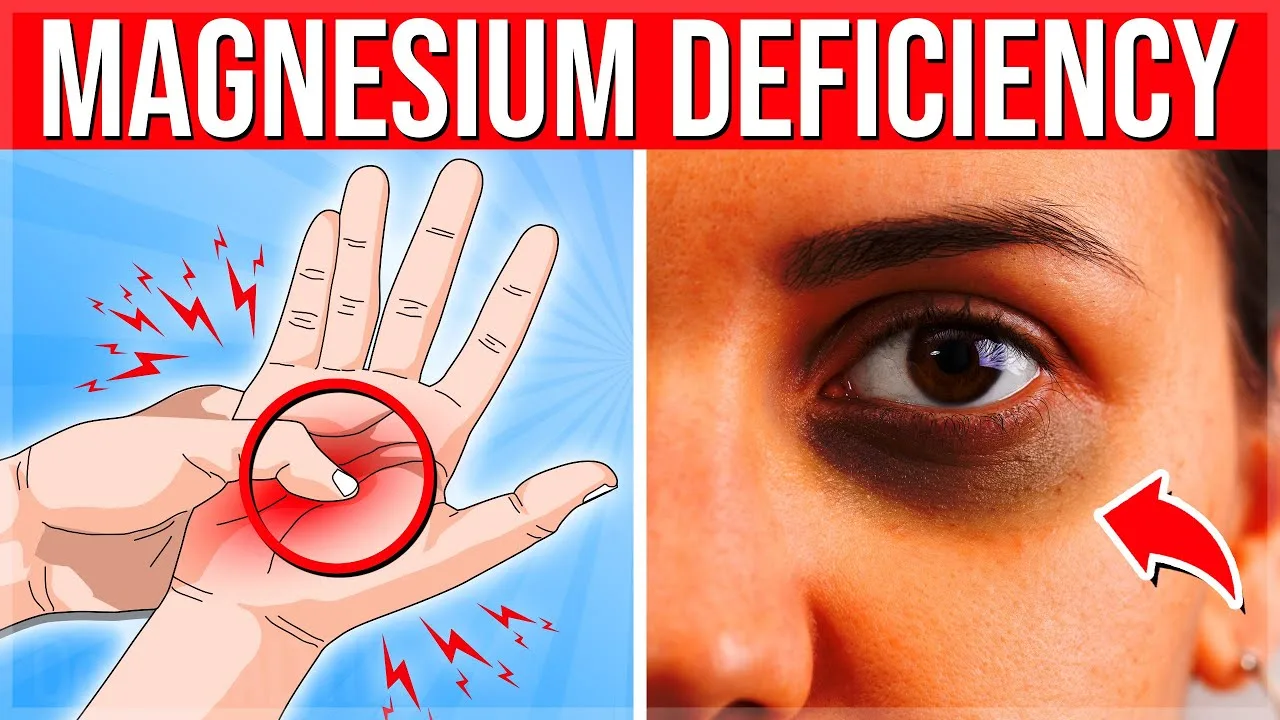
    One of the earliest and most common signs your body is low on magnesium is the occurrence of involuntary muscle cramps, twitches, or spasms. Magnesium plays a vital role in muscle relaxation. When deficient, nerve cells become overstimulated, which can lead to sudden, uncontrollable muscle contractions.

    In a study published in the Journal of the American Geriatrics Society, magnesium supplementation was found to reduce the frequency of nighttime leg cramps in older adults. This confirms the mineral’s role in neuromuscular control and comfort.


    2. Fatigue and Weakness

    Feeling unusually tired, weak, or low on energy despite proper sleep could also signal magnesium deficiency. Magnesium is required for ATP (adenosine triphosphate) production, the main source of energy in cells. A lack of magnesium impairs this energy production process, leading to chronic fatigue or even muscle weakness, medically referred to as myasthenia.

    Signs Your Body Is Low on Magnesium

    Truth about Herbal Teas in Ghana: Do they really help you to lose weight?


    3. Mental Health Issues

    Magnesium directly influences brain function and mood regulation. Research suggests that low magnesium levels may contribute to mental health disorders, including anxiety, irritability, and depression.

    A randomized controlled trial published in PLOS ONE in 2017 found that daily magnesium supplementation significantly reduced symptoms of depression and anxiety in participants after just six weeks, especially among those with mild to moderate depression.

    This link underscores the importance of magnesium not only for physical but also emotional health.


    4. Irregular Heartbeat (Arrhythmia)

    Magnesium is crucial for maintaining a regular heartbeat. It helps transport calcium and potassium into heart cells, which is essential for healthy electrical signals. A deficiency can cause arrhythmia—a condition where the heart beats too fast, too slow, or irregularly.

    Understanding Broken Heart Syndrome: Temporary Heart Attack.


    5. Tingling, Numbness, or Neurological Symptoms

    Nerve function relies heavily on magnesium. A deficiency may result in tingling, numbness, and even seizures in extreme cases. These symptoms are caused by disrupted neurotransmitter activity and heightened nerve excitability.


    6. Osteoporosis and Bone Health Issues

    Magnesium supports bone health by influencing bone density and aiding the metabolism of calcium and vitamin D—two other key nutrients for strong bones. Low magnesium levels may lead to bone loss and increase the risk of osteoporosis.

    According to research published in the journal Biological Trace Element Research, women with osteoporosis were found to have significantly lower serum magnesium levels than those with healthy bones. Chronic deficiency can also weaken the bone matrix, making fractures more likely.

    Signs Your Body Is Low on Magnesium

    10 Effective Strategies for Alleviating Back Pain


    7. High Blood Pressure

    Although sodium usually gets the blame, low magnesium may also be a contributing factor to elevated blood pressure. Magnesium helps relax blood vessels, allowing for smoother blood flow and reduced pressure on arterial walls.

    A large meta-analysis published in Hypertension journal in 2016 concluded that magnesium supplementation resulted in a significant reduction in both systolic and diastolic blood pressure in hypertensive adults. The study further emphasized the need for adequate magnesium intake as part of a heart-healthy lifestyle.


    How to Know for Sure

    While these symptoms are strong indicators, the only definitive way to diagnose magnesium deficiency is through a blood test. However, serum magnesium levels may not always reflect actual magnesium status, as only about 1% of magnesium is found in the blood. Doctors may also assess red blood cell magnesium or conduct a magnesium retention test for better accuracy.


    How to Boost Magnesium Levels Naturally

    If you’re noticing any signs your body is low on magnesium, consider increasing your intake through diet. Foods rich in magnesium include:

    • Leafy green vegetables (spinach, kale)
    • Nuts and seeds (almonds, pumpkin seeds)
    • Whole grains (brown rice, quinoa)
    • Legumes (black beans, lentils)
    • Dark chocolate
    • Avocados

    For people with a significant deficiency, magnesium supplements may be recommended under the supervision of a healthcare provider.

    15 incredible facts about your body you didn’t know


    Conclusion

    The signs your body is low on magnesium can be subtle but impactful, affecting everything from mood and energy levels to heart rhythm and bone health. Thankfully, magnesium deficiency is both preventable and treatable. By staying aware of these warning signs and making small changes to your diet or routine, you can maintain a healthier and more balanced life.

    If you suspect a deficiency, consult a healthcare professional for proper testing and guidance. Don’t wait until these symptoms become serious—your health is worth the attention.


    Would you like me to design a Pinterest infographic for this post next?

  • Understanding Broken Heart Syndrome: Temporary Heart Attack.

    Understanding Broken Heart Syndrome: Temporary Heart Attack.

    Understanding Broken Heart Syndrome– You rememebr the last time you heard some bad news that worked you up so much emotionally that you could literally feel your chest pounding and it almost felt like a heart attack? What if I told you that feeling could have literaly caused you a heart attack or a broken heart syndrome.

    Heartbreak is often portrayed as a metaphorical experience, symbolizing deep emotional pain. However, medical research has shown that intense emotional distress can lead to actual physical heart conditions. One such condition is Takotsubo cardiomyopathy, commonly known as “broken heart syndrome”. This phenomenon demonstrates the profound connection between our emotional and physical well-being.

    ‎Follow the InfoHealthGh channel on WhatsApp: https://whatsapp.com/channel/0029Va7j1SgGE56e8pagc22u

    Understanding Broken Heart Syndrome

    Broken heart syndrome is a temporary heart condition that mimics the symptoms of a heart attack. It is typically triggered by severe emotional or physical stress, such as the loss of a loved one, a serious accident, or even extreme joy. The syndrome leads to a sudden weakening of the heart’s left ventricle, causing it to balloon out at the apex. This distinctive shape resembles a Japanese octopus trap called a “takotsubo,” which is how the condition got its name.

    en.wikipedia.org

    Symptoms and Diagnosis

    Individuals with broken heart syndrome often experience sudden chest pain, shortness of breath, and electrocardiogram (ECG) changes similar to those of a heart attack. However, unlike a typical heart attack, there is no blockage in the coronary arteries. Diagnostic imaging reveals the characteristic ballooning of the left ventricle. Recognizing these differences is crucial for proper diagnosis and treatment.

    Case Studies Highlighting the Condition

    Several real-life cases illustrate the impact of broken heart syndrome:

    • Katelyn Jill’s Experience: At 32, Katelyn experienced sudden chest pain and sweating, initially mistaking it for a need to crack her back. Despite exhaustive tests showing no blockages, she suffered another episode a week later. Two years later, she was diagnosed with broken heart syndrome, highlighting how stress and depression can physically manifest in heart conditions. thesun.co.uk
    • Gene Hackman and Betsy Arakawa: The renowned actor and his wife were found deceased in their home. A pathologist theorized that one might have died from a broken heart after discovering the other dead, suggesting a stress-related reaction known as broken heart syndrome. pagesix.com

    Emotional Stress and Its Physiological Impact

    The exact mechanisms behind broken heart syndrome are not entirely understood. However, it is believed that a surge in stress hormones, particularly adrenaline, may temporarily damage the heart. This hormonal surge can lead to constriction of the coronary arteries or directly affect the heart muscle cells, resulting in the observed weakening of the left ventricle.

    ‎Follow the InfoHealthGh channel on WhatsApp: https://whatsapp.com/channel/0029Va7j1SgGE56e8pagc22u

    en.wikipedia.org

    A study published in the European Heart Journal found that patients exhibited increased activity in the amygdala—the brain’s fear and stress center—years before the cardiac event. This suggests a link between heightened stress responses and the development of broken heart syndrome.

    Treatment and Prognosis

    The prognosis for broken heart syndrome is generally favorable. Most patients recover fully within weeks, and the heart often returns to normal function without lasting damage. Treatment focuses on managing symptoms and addressing the underlying stressors. Medications such as beta-blockers may be prescribed to reduce the effects of adrenaline on the heart.

    It’s essential for individuals to seek immediate medical attention if they experience symptoms resembling a heart attack, as prompt diagnosis and management can prevent complications.

    The Mind-Heart Connection

    The existence of broken heart syndrome underscores the intricate link between emotional and physical health. Chronic stress, anxiety, and depression can have tangible effects on cardiovascular health. Understanding this connection emphasizes the importance of holistic approaches to health that consider both mental and physical well-being.

    Coping with Heartbreak and Stress

    To mitigate the risk of stress-induced heart conditions, consider the following strategies:

    • Stress Management: Engage in relaxation techniques such as meditation, yoga, or deep breathing exercises to manage stress levels.
    • Physical Activity: Regular exercise can improve mood and cardiovascular health.
    • Social Support: Maintaining connections with friends and family provides emotional support during challenging times.
    • Professional Help: Seeking counseling or therapy can be beneficial in processing intense emotions and developing coping mechanisms.

    Conclusion

    While the phrase “dying of a broken heart” is often used poetically, broken heart syndrome reveals that severe emotional distress can indeed have profound physical effects on the heart. Recognizing the symptoms and understanding the mind-heart connection are vital steps toward comprehensive health care. By addressing both emotional and physical aspects of well-being, individuals can navigate the challenges of heartbreak without compromising their heart health.

  • Video: How to protect your data on your pen drive

    Video: How to protect your data on your pen drive

    Watch The Video Tutorials Below

    protect your data on your pen drive

    The use of pen drives has become one of the fastest and most convenient ways to transfer files from one computer to the other.

    This means that at any given time it Is storing information or data that might be personal. In the event of losing your pen drive, your personal information is rendered unsafe or lost.

    Personally, I can’t count the number of times I’ve lost a pen drive or lent it out and forgotten who I gave it to.

    I take some consolation from the fact that the pen drive is locked. The feature that allows you to set a lock on your pen drive is called Windows Bitlocker.

    How Does it Work?

    The device encryption has been on the latest versions of Windows from Windows 10 upwards. This feature will only work with the drives if it is plugged into Windows 10 and 11.

    For older OS it will just show us an unrecognizable drive. This is still a win in my opinion because your data is still protected.


    Is Device Encryption 100% Safe?

    The answer is not entirely. There are ways to bypass it but can only be done by a seasoned hacker. Your standard colleague at work or even experts in your IT department cannot get around drive encryption.

    The type of encryption used to lock your Pendrive is called Advanced Encryption Standard Encryption Algorithm (AES) which makes it virtually uncrackable.

    So good luck to anyone trying to access your locked Pendrive.

    How to protect your data on your pen drive by setting up encryption.

    Without wasting time let me take you step by step through the process of setting up BitLocker encryption.

    Step 1.- Plug in Your Pendrive

    Step 1 Plug in Drive
    Step 1 Plug in Drive

    Step 2.- Type in The Search Bar “Manage BitLocker” or locate it in the Control Panel

    Step 3. Look for your removable drive in the bit locker window. Click on the Drop-Down Arrow and you should see “Turn on Bitlocker” Just beside the drive

    A should pop up will ask you to wait for a while followed by a window that asks you to set a password

    Step 3 Manage Bitlocker
    Step 3 Manage Bitlocker

    Step 4: Follow the settings exactly as shown in the image below to set up a password.

    Set Password on drive
    Step 4

    Step 5: Choose an option to back up your password if you lose it. If you don’t have don’t have a Microsoft account then it’s better to choose the print option.

    Set Password on drive
    Step 4
    Step 5 Choose a backup option for your drive
    Step 5 Choose a backup option for your drive

    Step 6: Bitlocker allows you to choose to encrypt the entire drive or lock just a portion of the drive occupied by your files. For added security, go in for the option to back up the entire drive. It takes time but it’s worth it. Click Next

    Dtep 6 Choose areas of your drive to backup
    Dtep 6 Choose areas of your drive to backup

    Step 7 : Choose the Compatibility Mode. I recommend this option because not everyone has the latest versions of Windows. You may need to use your drive on an older version. Click Next After

    Step 7 Choose in Compatibility Mode
    Step 7 Choose in Compatibility Mode

    Step 8: Click on Start Encryption: The Encryption process takes time so leave your PC on and step out to grab a coffee.

    Step 8 Start Encryption
    Step 8 Start Encryption


    Protect Data on Pendrive
    Step 9 Encryption Process Starts

    In Conclusion, BitLocker adds security to your Pen drive and will help protect your data. Additionally, anyone who tries to steal your pen drive for themselves would have wasted their time.

    Setting a password on your drive is something I would always recommend.

    Read Some Health Tips Here:  Infohealth GH

  • Six Reasons Why Your Body Itches After Bathing (And How to Stop It)

    Six Reasons Why Your Body Itches After Bathing (And How to Stop It)

    “Itchy Skin After Shower? 6 Causes of Post-Bath Itching & How to Stop It”

    Do you experience itchy skin after showering? You’re not alone—many people deal with post-bath itching, but few understand why it happens. This frustrating sensation can range from mild dryness to intense irritation, making showers uncomfortable instead of relaxing.

    In this guide, we’ll break down the six most common causes of itchy skin after bathing, backed by dermatological research. Plus, we’ll share proven solutions to soothe your skin and prevent future irritation. Whether you’re dealing with dry skin after shower, aquagenic pruritus, or an allergic reaction to soap, we’ve got you covered.

    ‎Follow the InfoHealthGh channel on WhatsApp: https://whatsapp.com/channel/0029Va7j1SgGE56e8pagc22u

    Read Also: Your Skin Reflects Your Health: What Acne, Dryness, and Discoloration Could Mean

    1. Hot Water Strips Natural Oils (Dry Skin After Shower)

    One of the biggest culprits behind post-bath itching is hot water. While a steamy shower feels relaxing, it strips away your skin’s natural oils (sebum), leading to xerosis cutis (extremely dry skin). Studies show that water temperatures above 104°F (40°C) significantly worsen skin dryness .

    If you are a fun of hot waters like me then maybe it is time to get yourself a thermometer to regulate the temperature of your bathing water

    Read Also: Retinol and Tretoin Use – Your excessive skincare routine jeopardize your Pregnancy

    Symptoms of Dry Skin After Shower

    ✔ Tight, flaky skin
    ✔ Mild to severe itching
    ✔ Redness or cracks in extreme cases

    How to Fix It

    ✔ Use lukewarm water (98–104°F / 36–40°C)
    ✔ Limit showers to 5–10 minutes
    ✔ Apply moisturizer within 3 minutes (petroleum jelly or ceramide creams work best)

    2. Harsh Soaps & Body Washes (Contact Dermatitis)

    Many shower gels and soaps contain sulfates (SLS/SLES), fragrances, and alcohol, which strip moisture and trigger contact dermatitis. A 2023 study found that fragranced body washes increase post-shower itching by 40% in people with sensitive skin .

    Read Also: The Hidden Health Risk of Wearing Your Smartwatch 24/7: Cancer Concerns Explained

    Symptoms of Soap-Induced Itching

    ✔ Itching without a visible rash
    ✔ Burning or stinging sensation
    ✔ Worsening eczema or psoriasis

    How to Fix It

    ✔ Switch to fragrance-free, hypoallergenic cleansers (CeraVe, Vanicream)
    ✔ Avoid antibacterial soaps (they’re overly drying)
    ✔ Rinse thoroughly to remove soap residue

    3. Hard Water Worsens Itchy Skin After Shower

    6 Reasons Why You suffer from Post-Bath-Itching

    Why It Happens

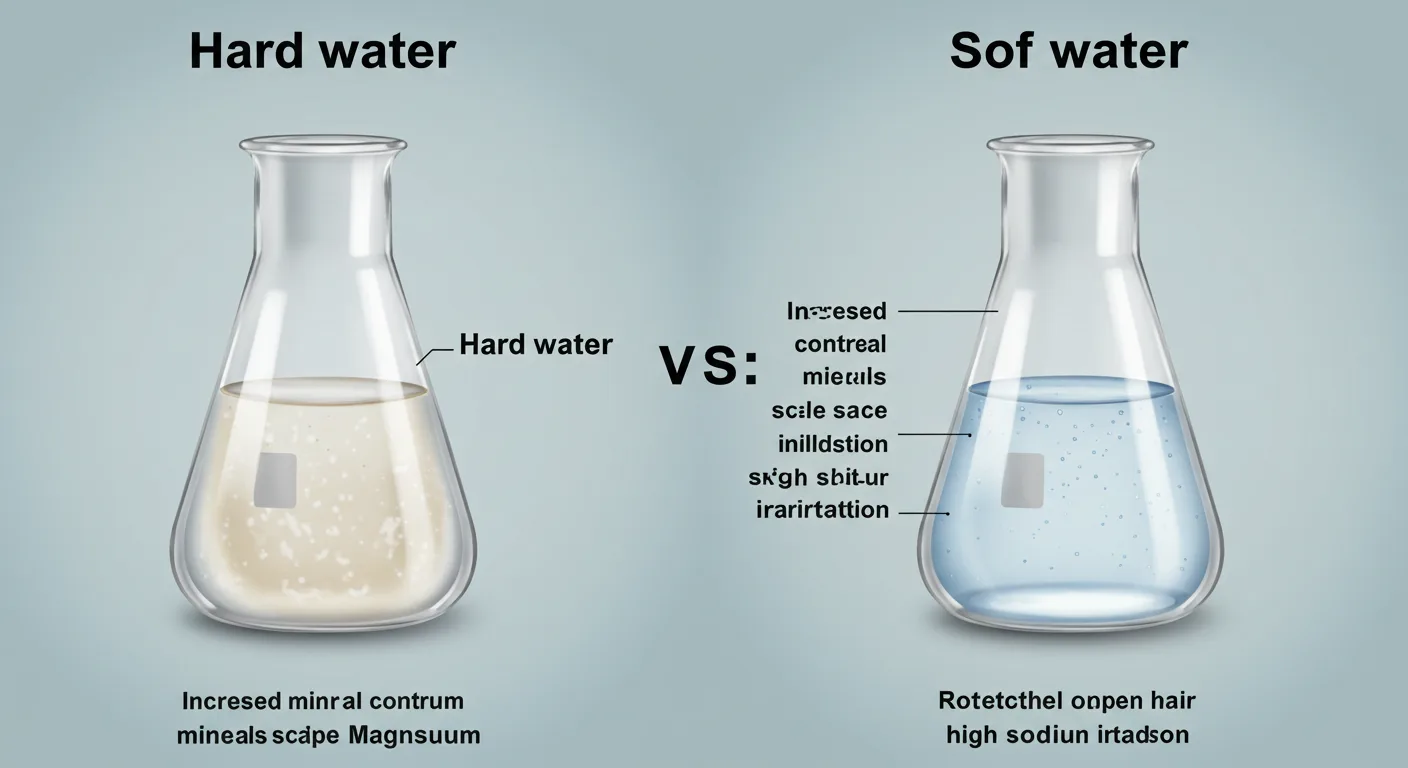
    Hard water (high in calcium & magnesium) leaves a mineral residue on skin, clogging pores and worsening post-bath itching. Research shows that people living in hard water areas report 50% more skin dryness than those with soft water .

    Symptoms of Hard Water Irritation

    ✔ Rough, gritty feeling after showering
    ✔ Increased itchiness in hard water areas

    How to Fix It

    ✔ Install a showerhead water softener
    ✔ Use chelating body washes (like Eucerin pH5)
    ✔ Moisturize immediately after bathing

    Read Also: Ways to Protect Yourself from Contacting Monkey pox in Ghana

    4. Underlying Skin Conditions (Eczema & Psoriasis Flare-Ups)

    6 Reasons Why You suffer from Post-Bath-Itching

    Why It Happens

    If you have eczema (atopic dermatitis) or psoriasis, water exposure can trigger intense post-shower itching. A 2024 study found that 60% of eczema patients experience worsened itching after bathing .

    Symptoms of Eczema After Showering

    ✔ Red, scaly patches
    ✔ Burning sensation
    ✔ Flare-ups in dry climates

    How to Fix It

    ✔ Use eczema-friendly cleansers (Aveeno, Cetaphil)
    ✔ Apply prescription creams (steroids or calcineurin inhibitors)
    ✔ Try colloidal oatmeal baths for relief

    5. Aquagenic Pruritus (Rare Water Allergy)

    Read Also: Walking Barefooted: Why It Could Save Your Life

    Why It Happens

    Aquagenic pruritus is a rare condition where any water contact triggers severe itching without a rash. It’s linked to nerve hypersensitivity and sometimes blood disorders like polycythemia vera .

    Symptoms of Aquagenic Pruritus

    ✔ Burning, tingling after showering
    ✔ No visible rash
    ✔ Itching lasts up to 1 hour

    How to Fix It

    ✔ Try antihistamines (e.g., cetirizine)
    ✔ Use capsaicin cream
    ✔ Consult a dermatologist for UVB therapy

    6. Allergic Reaction to Laundry Detergents or Towels

    Why It Happens

    Scented detergents leave residue on towels, transferring irritants to your skin post-shower. A 2025 study found that fragranced laundry products worsen post-bath itching in 30% of people .

    Symptoms of Towel-Induced Itching

    ✔ Itching worsens after drying off
    ✔ Redness where towel touched skin

    How to Fix It

    ✔ Wash towels with fragrance-free detergent
    ✔ Use 100% cotton towels
    ✔ Pat dry instead of rubbing

    Read Also: How to Lose Belly Fat with Common Ghanaian Ingredients

    When to See a Doctor

    While itching after bathing may not be a call for concern, make sure to Seek medical help if your skin itch after shower includes:
    🔴 Rashes, swelling, or bleeding
    🔴 Lasts more than 2 weeks
    🔴 Linked to fatigue/weight loss (possible blood disorder)

    Final Prevention Tips for Post-Bath Itching

    ✅ Moisturize on damp skin (locks in hydration)
    ✅ Drink more water (dehydration worsens dryness)
    ✅ Use a humidifier in dry climates
    ✅ Avoid over-exfoliating (scrubs worsen irritation)

    By following these tips, you can stop itchy skin after showering for good!

    Would you like a printable checklist of these tips? Let me know in the comments! 🚿✨

    References & Studies

    • Journal of Dermatology (2024) – Hard water & skin dryness
    • Clinical & Experimental Allergy (2023) – Fragranced soaps & itching
    • Mayo Clinic – Aquagenic pruritus treatments
    • National Eczema Association – Showering with eczema
    • PMC Study (2025) – Laundry detergents & skin irritation
  • Your Skin Reflects Your Health: What Acne, Dryness, and Discoloration Could Mean

    Your Skin Reflects Your Health: What Acne, Dryness, and Discoloration Could Mean

    What Your Skin Is Telling You: Health Clues Behind Acne, Dryness, and Discoloration

    Your skin is your body’s largest organ—and often, it’s the first to signal that something deeper might be wrong. While many people view acne, dryness, or skin discoloration as surface-level issues, these symptoms can actually be your body’s way of waving a red flag. Your skin reflects your health, and the clues it gives shouldn’t be ignored.

    In this post, we’ll break down common skin issues like acne, dryness, and discoloration and explore what they could reveal about your internal health. You’ll learn when to see a doctor, how to make simple lifestyle changes, and how to read the signs your skin may be showing.

    Read Also: 5 Working Hacks to Shed Fat Fast: Skip if you can’t be disciplined and consistent.

    Why Skin Is a Window Into Your Health

    Your skin does more than cover your bones and organs—it acts as a messenger. It responds to what’s happening inside your body, from hormonal shifts to nutrient deficiencies and underlying diseases. In fact, many chronic conditions such as liver dysfunction, autoimmune disorders, or digestive issues often show early signs on the skin.

    Think of your skin as a mirror: your skin reflects your health in ways that go far beyond breakouts or dry patches. Understanding these messages could help you detect and address internal imbalances before they worsen.

    Acne – More Than Just a Teenage Problem

    Acne is one of the most common skin concerns worldwide. While it’s typically associated with adolescence, adults in their 20s, 30s, and even 50s can suffer from persistent breakouts.

    Here’s what your acne could be trying to tell you:

    • Hormonal Imbalance: Fluctuating hormones—often caused by stress, menstruation, or conditions like PCOS—can increase oil production and clog pores.
    • Poor Gut Health: An unhealthy gut microbiome can lead to systemic inflammation, contributing to skin conditions like acne and eczema.
    • Liver Overload: When your liver struggles to detoxify, your body may try to eliminate toxins through your skin, leading to breakouts.
    • Dietary Triggers: Diets high in sugar, dairy, or refined carbohydrates can spike insulin levels and trigger breakouts.

    If you’re treating acne with creams or spot treatments but seeing little improvement, it may be time to look inside. A blood panel or hormonal test can help uncover root causes.

    Dry Skin – A Sign of Dehydration or More?

    Dry, flaky skin can be caused by harsh weather or using the wrong soap—but if it’s chronic, it may be more than skin deep.

    Possible internal causes of dry skin include:

    • Dehydration: When your body lacks enough water, it prioritizes vital organs—leaving the skin dull and dry.
    • Essential Fatty Acid Deficiency: Omega-3 fatty acids help maintain skin moisture. A deficiency can lead to dry, irritated skin.
    • Hypothyroidism: Low thyroid hormone levels slow down metabolism, which can reduce skin cell turnover and moisture.
    • Eczema and Allergies: Dry, itchy patches may signal allergic reactions or poor gut health.

    To combat dryness, hydrate from the inside out, increase healthy fats in your diet (like avocados and fish), and consider checking your thyroid levels.

    Skin Discoloration – Clues From Pigmentation and Tone

    Skin discoloration can sometimes point to serious health conditions, especially when it’s persistent or comes on suddenly.

    Here are a few examples:

    • Yellowish Skin (Jaundice): Often linked to liver disease or gallbladder issues, jaundice causes the skin and eyes to turn yellow due to excess bilirubin.
    • Pale Skin: A possible sign of anemia or low vitamin B12, especially when combined with fatigue or dizziness.
    • Dark Patches (Hyperpigmentation): This could be related to insulin resistance, especially when the darkening appears in body folds (like the neck or underarms)—a condition known as acanthosis nigricans.
    • Vitiligo: A loss of pigmentation in patches, often tied to autoimmune issues where the body attacks its own pigment-producing cells.

    If you notice any unusual changes in your skin color or tone, it’s wise to consult a healthcare provider for a proper diagnosis.

    When to See a Doctor vs. When to Adjust Your Lifestyle

    Some skin issues can be improved with better lifestyle habits, while others may need medical intervention.

    See a doctor if:

    • Your skin suddenly changes color
    • You develop rashes that don’t go away
    • There’s bleeding, pain, or itching that persists
    • Your acne worsens despite treatment

    Try lifestyle changes if:

    Your Skin Reflects Your Health
    Your Skin Reflects Your Health
    • You’re chronically dehydrated
    • You consume high amounts of sugar, dairy, or processed food
    • You have poor sleep habits or high stress levels
    • Your skincare routine is inconsistent or uses harsh products

    By making small adjustments—drinking more water, getting quality sleep, managing stress—you can often see noticeable improvements in your skin over time.

    Quick Skin-Health Checklist

    Use this checklist to evaluate whether your skin might be signaling something more:

    1. Do you regularly experience unexplained breakouts?
    2. Is your skin constantly dry, no matter how much moisturizer you use?
    3. Have you noticed yellowing, paleness, or dark patches recently?
    4. Do you consume enough water daily?
    5. Are you eating whole, nutrient-rich foods?
    6. Do you feel tired or run-down alongside skin issues?
    7. Have you had digestive problems or allergies?
    8. Do your symptoms persist despite good skincare?

    If you answered “yes” to three or more, it may be time to explore what’s happening inside your body.

    Conclusion

    When it comes to skin issues, creams and cleansers are only part of the story. Your skin reflects your health, and understanding what it’s trying to say can help you make smarter decisions about your body and well-being.

    Rather than viewing acne, dryness, or discoloration as cosmetic concerns, treat them as important clues. The sooner you tune in to your body’s signals, the better your chances of preventing more serious health issues down the road.

    Take care of your skin by taking care of your whole self—inside and out.

    RELATED ARTICLES
    Retinol and Tretoin Use – Your excessive skincare routine jeopardize your Pregnancy
    Ways to Protect Yourself from Contacting Monkey pox in Ghana

    How Stress is Making You Grow and Look Older Than Your Age

  • The Hidden Health Risk of Wearing Your Smartwatch 24/7: Cancer Concerns Explained

    The Hidden Health Risk of Wearing Your Smartwatch 24/7: Cancer Concerns Explained

    Hidden Health Risk of Wearing Your Smart Watch 24/7: An emerging trend in the 21st century is the rise in cancer risks and other illnesses. As time goes on, groundbreaking progress is being made to find cures for these diseases and to raise awareness about their potential causes. Interestingly, many of these causes have been linked to everyday items in our homes and environments—one of which is the smart watch. Believe it or not, your smart watch has been associated with potential health risks, including cancer.

    To make our lives more convenient and stay connected, smart watches have become almost inseparable from our daily routines. Aside from being a quick alternative to checking notifications without unlocking our phones, they’re equipped with sensors that help us track various health metrics. From stress levels to heart rate and sleep quality, it seems logical to keep them on at all times. However, the Hidden Health Risk of Wearing Your Smart Watch 24/7 is something we can no longer ignore. Let me explain why.

    Read Also: Smart Watches and Their Role in Fitness and Healthy Lifestyle


    How Your Smart Watch May Be Raising Your Risk of Cancer

    The smart device itself isn’t necessarily increasing your risk of cancer. In fact, there haven’t been enough studies to confirm that. However, the band that holds the smart device to your wrist may be the real culprit. According to a recent study, the materials used in many smartwatch bands contain chemicals that have been linked to infertility and cancer.

    These chemicals are known as perfluoroalkyl and polyfluoroalkyl substances (PFAS). PFAS are used in the manufacturing of many everyday items including fabric, non-stick pans, and even cosmetics. Research has connected PFAS to several health issues such as kidney disease, birth defects, and increased risk of prostate cancer.

    Often referred to as “forever chemicals,” PFAS do not break down in the environment or in the human body. Alarmingly, they’ve been found in fish, soil, air, and water.

    Read Also: How Your Smartphone is Secretly Damaging Your Brain.


    15 Out of 22 Smartwatches Tested Contained PFAS

    According to The New Paper, a Singaporean newspaper, the bands of 22 different smartwatches were tested for PFAS. Of those, 15 tested positive. This is especially concerning given how often we wear our smartwatches and how closely they remain in contact with our skin.

    While PFAS typically enter the body through ingestion or inhalation, studies now suggest that prolonged skin contact can also allow these chemicals to enter the bloodstream.

    The tested watches ranged in price from $89 to $799 and included major brands such as the Apple Watch. Interestingly, the more expensive models tended to contain higher levels of PFAS.

    In the U.S., about 21% of adults use smartwatches. In the UK, that figure is 35%. On average, users wear their devices for 11 hours per day. This means approximately 54 million people in the U.S. and 13 million in the UK could be exposed to these harmful chemicals daily. That’s the Hidden Health Risk of Wearing Your Smart Watch 24/7 in plain sight.


    How Exactly Is Your Smart Watch Introducing PFAS Into Your Body?

    Most smartwatches come with flexible rubber or silicone straps, which are often interchangeable. It is these silicone-like straps that are suspected to be the source of PFAS exposure.

    To ensure that the straps maintain their color and texture—despite constant exposure to sweat, skin oils, and environmental elements—manufacturers treat them with PFAS-based chemicals. While we traditionally think of PFAS as entering the body through ingestion or inhalation, research now shows that extended skin contact can allow these carcinogenic chemicals to absorb into the body.

    More studies are needed to fully understand the impact of PFAS absorbed through the skin, but early findings are concerning.

    You can read the published article here: Presence of Perfluorohexanoic Acid in Fluoroelastomer Watch Bands.

    Researchers at Notre Dame University conducted chemical analyses on the bands and checked for the presence of fluorine—a strong indicator of PFAS. In 15 of the 22 products (about 68%), fluorine was detected.

    Some watch bands disclosed the use of fluorine, but two that tested positive didn’t indicate any use of PFAS in their materials.

    Notably, bands costing more than $30 (£23) had higher concentrations of fluorine compared to those priced under $15 (£11). Researchers also looked for other PFAS chemicals beyond fluoroelastomers and found that all 22 bands tested contained traces of at least one type.

    The study suggested that these chemicals were likely introduced during the cleaning process in manufacturing.

    While it’s still unclear how much PFAS is absorbed through the skin, a 2022 German study found that after 115 days of applying PFAS-laden sunscreen, 1.6% of the chemical was absorbed into the skin. On the more extreme end, a 2024 British study on skin cell cultures showed that about 58% of PFAS applied was absorbed.

    The researchers concluded: “These limited studies suggest that dermal absorption of PFAS may represent a significant exposure route for short-chain PFAS when used in consumer products that are in contact with the skin.”

    Read Also: How Your Smartphone is Secretly Damaging Your Brain.


    Proceed With Caution

    While the science is still evolving, Dr. Alyssa Wicks, one of the lead researchers, advises consumers to be mindful. “If the consumer wishes to purchase a higher-priced band, we suggest that they read the materials list carefully.”

    The Hidden Health Risk of Wearing Your Smart Watch 24/7 may not be front and center in tech ads or product descriptions—but it’s a risk worth understanding. As we integrate more technology into our daily lives, let’s ensure we do so with informed caution.

    RELATED ARTICLES

    A new study establishes a link between sanitizers and brain development.

    Plastic in Your Blood? Scientists Just Found It in Humans!

  • Chest Pains and Early Warning Signs of Heart Disease You Shouldn’t Ignore

    Chest Pains and Early Warning Signs of Heart Disease You Shouldn’t Ignore

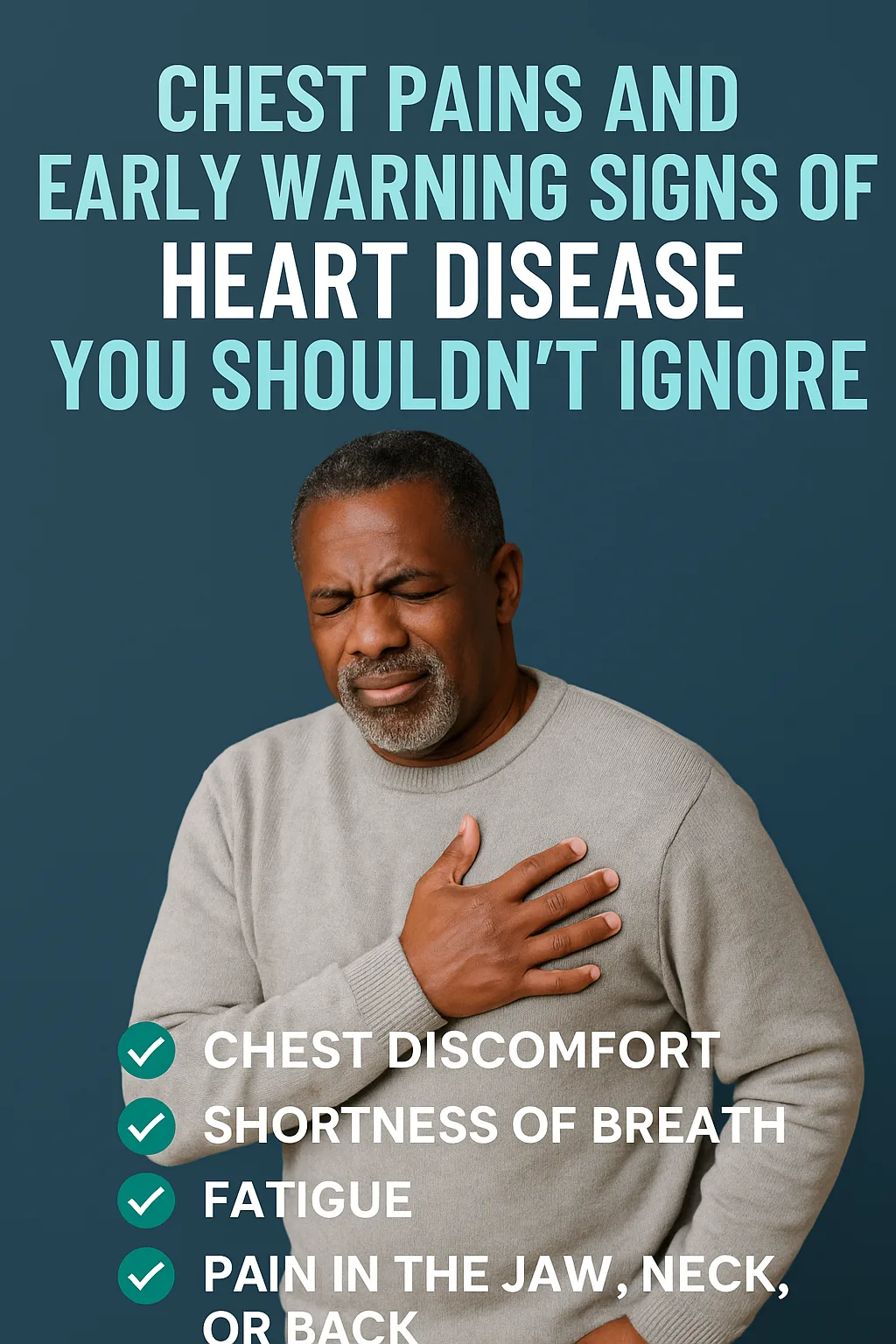
    Your heart is encased in your rib cage, and unlike your leg or eyes, which you could easily see and tell when something is wrong with you, it is difficult to tell when your heart is not functioning properly. However, there are early warning signs of heart disease, and these are signs you shouldn’t ignore.

    People often misinterpret heart disease or its onset as an alarming chest clutch followed by a dramatic fall, like in the movies. Sorry to disappoint, but that’s not entirely true. In this blog post, we will discuss chest pains, the early symptoms of heart disease, and what to do if you or a loved one experiences them.

    🩺 Tip: Knowing your body and reporting any discomfort or changes to a nearby health facility could save your life—especially if you are over 40 or have known risk factors like diabetes or high blood pressure.

    ✅ Does Every Chest Pain Relate to Heart Disease?

    No, not all chest pain is heart-related. But any chest discomfort should be evaluated by a doctor.

    Common non-cardiac causes of chest pain include:

    • Heartburn or GERD
    • Muscle strain
    • Anxiety and panic attacks
    • Respiratory infections
    • Shingles

    However, if the pain is accompanied by the following symptoms, it may be related to a heart condition:

    • Pressure or tightness in the chest
    • Pain spreading to the jaw, neck, shoulders, or left arm
    • Dizziness, fainting, or shortness of breath
    • Cold sweat
    early warning signs of heart disease

    🫀 What Are Some Common Heart Diseases?

    Heart disease, also called cardiovascular disease (CVD), includes several conditions affecting the heart and blood vessels. According to the World Health Organization (WHO), it is the leading cause of death globally.
    1. Coronary Artery Disease (CAD)

    Occurs when plaque builds up in the arteries supplying the heart, reducing blood flow.

    Symptoms: Chest pain (angina), breathlessness, fatigue, heart attack.

    Heart rate vs. blood pressure; How they relate to your health

    2. Heart Attack (Myocardial Infarction)

    Happens when blood supply to a section of the heart muscle is blocked.

    Symptoms: Intense chest pain, pressure, pain radiating to arm/jaw, nausea, sweating.

    3. Arrhythmias (Irregular Heartbeats)

    Abnormal rhythm of the heart—either too fast, too slow, or erratic.

    Symptoms: Fluttering, palpitations, fainting, anxiety.

    4. Heart Failure

    Occurs when the heart cannot pump blood efficiently to meet the body’s needs.

    Symptoms: Swelling in ankles/feet, breathlessness, fatigue, coughing.

    5. Valvular Heart Disease

    Involves damage to one or more of the heart’s valves.

    Symptoms: Chest tightness, irregular heartbeat, dizziness, fainting.

    6. Cardiomyopathy

    A disease of the heart muscle that reduces its ability to pump blood.

    Symptoms: Breathlessness, fatigue, palpitations, swelling of the legs.

    early warning signs of heart disease

    🚨 Early Warning Signs of Heart Disease You Shouldn’t Ignore

    Heart disease symptoms are not always obvious. Here are some early warning signs that should raise a red flag:

    • Chest discomfort or pressure
    • Shortness of breath
    • Unusual fatigue
    • Pain in the jaw, neck, shoulder, or arms (especially left side)
    • Dizziness or fainting spells
    • Swelling in the legs or abdomen
    • Persistent cough or wheezing (especially at night)
    • Heart palpitations or skipped beats

    ⚠️ Important: Women, older adults, and people with diabetes may experience atypical symptoms, such as nausea or fatigue, without classic chest pain.

    🔗 External reference: CDC – Heart Disease Facts

    🆘 What to Do If You or a Loved One Experiences Any of These Symptoms

    If you or someone around you is experiencing potential heart attack symptoms:

    Step-by-Step Emergency Response:

    1. Call emergency services immediately (e.g., 112 in Ghana, 911 in the US)
    2. Have the person sit or lie down in a calm position
    3. Chew one adult aspirin (unless allergic or advised otherwise)
    4. Do not drive to the hospital—wait for an ambulance
    5. Start CPR if the person loses consciousness and stops breathing (if trained)

    ❤️ Final Thoughts

    Heart disease can be silent but deadly. The good news is that most heart conditions are preventable and manageable if detected early.

    Here’s what you can do:

    • Exercise regularly
    • Eat a heart-friendly diet (low in salt, sugar, and trans fats)
    • Stop smoking
    • Manage stress
    • Get regular health checkups
    • Monitor your blood pressure and cholesterol levels

    🧠 Remember: It’s always better to get checked and be wrong than to ignore symptoms and risk your life.

    📚 References:

    1. World Health Organization. Cardiovascular Diseases (CVDs)
    2. Mayo Clinic. Heart Disease
    3. Centers for Disease Control and Prevention (CDC). Know the Signs and Symptoms of Heart Attack

    📝 Related Articles on InfoHealthGH:

    The Scientifically Proven Ways to Lower Bad Cholesterol


    What happens if you eat onions every day?

    Six (6) Common fruits and vegetables to lower blood pressure.

  • Ways to Protect Yourself from Contacting Monkey pox in Ghana

    Ways to Protect Yourself from Contacting Monkey pox in Ghana

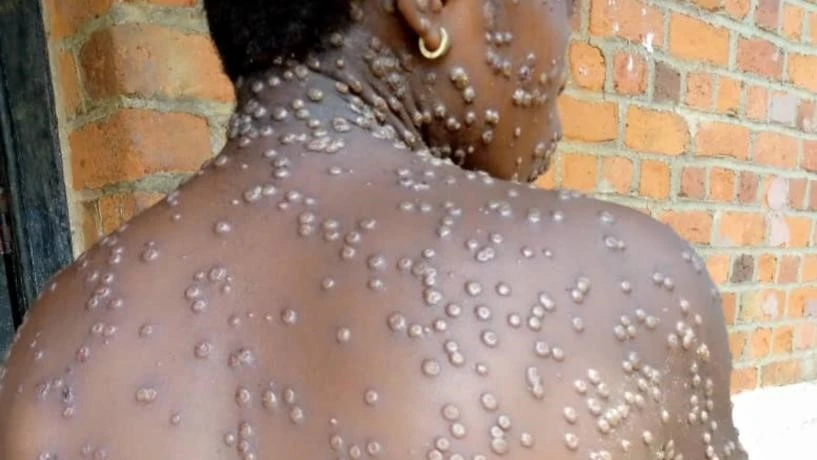
    Mpox also known as monkeypox is a re-emerging viral disease that has made its presence known in parts of Africa, including Ghana. Although the number of confirmed cases in Ghana remains low, the virus’s ability to spread through close contact makes it a public health concern. It’s important to take deliberate steps to protect yourself from contacting Mpox, especially as surveillance continues to detect isolated cases across the country.

    Read Also: Ghana Confirms Two Cases of Mpox in Accra: What You Need to Know

    What is Mpox?

    Ghana Confirms Two Cases of Mpox in Accra: What You Need to Know

    Mpox is a zoonotic disease caused by the monkeypox virus, which is closely related to the virus that causes smallpox. It is less deadly than smallpox but can still cause serious illness. Mpox is transmitted from animals to humans and from person to person through direct contact with bodily fluids, lesions, or respiratory droplets.

    Symptoms of Mpox include:

    • Fever
    • Rash (that progresses through various stages)
    • Headache
    • Muscle aches
    • Swollen lymph nodes
    • Chills and fatigue

    The illness usually lasts between 2 to 4 weeks.

    ‎Follow the InfoHealthGh channel on WhatsApp: https://whatsapp.com/channel/0029Va7j1SgGE56e8pagc22u
    ‎Follow the InfoHealthGh channel on WhatsApp: https://whatsapp.com/channel/0029Va7j1SgGE56e8pagc22u

    Mpox Mortality Rate

    Mpox has two main strains: the Central African (Congo Basin) clade and the West African clade. The strain most commonly seen in West Africa, including Ghana, typically has a lower fatality rate — around 1% to 3%. However, the Congo Basin strain can have a mortality rate as high as 10%, particularly in children and immunocompromised individuals.

    Although no deaths have been reported in Ghana in recent cases, the global re-emergence of Mpox underscores the importance of awareness and preventive action.

    Current Situation in Ghana

    As of October 2024, Ghana reported two confirmed Mpox cases — a 15-year-old male from the Western North Region and his mother. Both were treated and recovered fully. Health authorities identified and are monitoring over 30 close contacts. The Ghana Health Service (GHS) has since heightened disease surveillance, particularly at border points and international airports.

    Read Also: Ministry of Health Launches Enhanced Mobile App for Health Training Admission Forms

    How to Protect Yourself from Contacting Mpox

    To protect yourself from contacting Mpox, here are proven strategies:

    1. Limit Close Contact with Infected Individuals

    Mpox spreads through direct physical contact. Avoid touching skin rashes, lesions, or bodily fluids of individuals showing symptoms. Do not share personal items such as clothing, towels, or bedding with anyone suspected of having Mpox.

    2. Practice Proper Hand Hygiene

    Wash your hands regularly with soap and water or use alcohol-based sanitizers, especially after being in public places or after contact with possibly contaminated surfaces.

    3. Avoid Wild Animals and Undercooked Meat

    Mpox can also be contracted from animals, particularly wild rodents and primates. Avoid hunting, handling, or eating bushmeat. Ensure all meat products are properly cooked.

    4. Disinfect Surfaces and Wear Protection

    If you live with or are caring for someone with Mpox, disinfect commonly touched surfaces and wear protective equipment like gloves and masks. Healthcare workers should use full PPE when attending to suspected cases.

    5. Stay Informed and Seek Early Medical Attention

    Public health authorities continue to monitor and respond to Mpox outbreaks. Stay up to date through official sources like the Ghana Health Service or WHO. If you notice symptoms, especially after exposure, report to a health facility immediately.

    Ghana may have only a few confirmed cases, but that doesn’t mean we should let our guard down. With a potential mortality rate of up to 3% for the West African strain, prevention remains better than cure. Staying informed, maintaining hygiene, and avoiding high-risk contact are your best defenses.

    By following these guidelines, you’re not only protecting yourself but also helping curb the spread of the virus in your community. Let’s all do our part to protect yourself from contacting Mpox and keep Ghana safe.
  • 📰 Health Minister Appeals to Striking Nurses and Midwives to Return to Work

    📰 Health Minister Appeals to Striking Nurses and Midwives to Return to Work

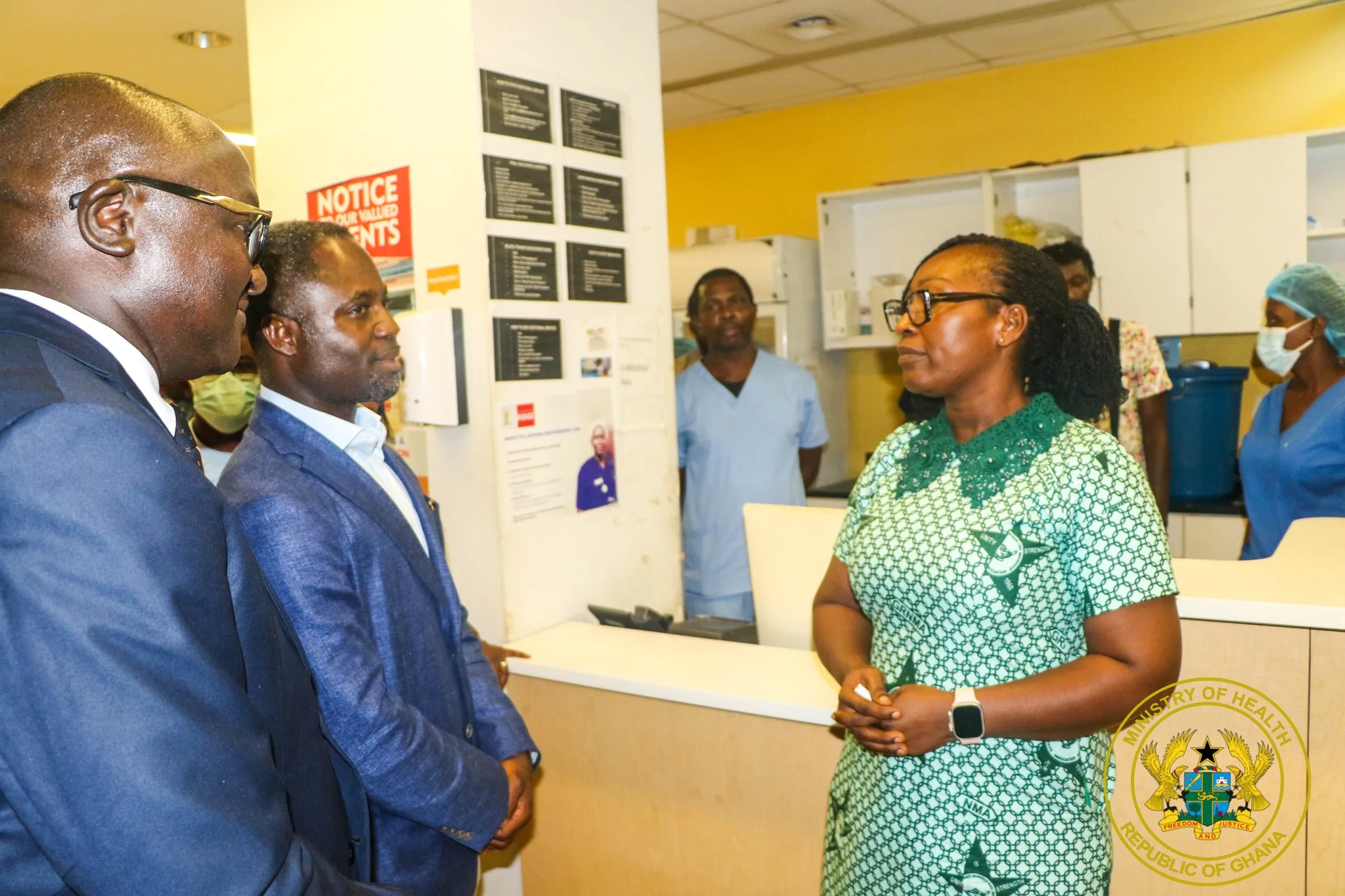
    Accra, Ghana – The Minister of Health, Hon. Kwabena Mintah Akandoh, has made a passionate plea to members of the Ghana Registered Nurses and Midwives Association (GRNMA) to end their ongoing industrial strike and resume duties in order to protect the health and well-being of Ghanaians.

    Health Minister Appeals to Striking Nurses and Midwives to Return to Work
    Health Minister Appeals to Striking Nurses and Midwives to Return to Work

    Speaking during a press briefing on Wednesday, the minister emphasized the crucial role nurses and midwives play in delivering healthcare across the country. “We understand the concerns raised by our health professionals, but I am appealing to their sense of duty and compassion for patients, especially vulnerable groups like pregnant women, children, and the elderly,” he said.

    Read Also: Ghana Confirms Two Cases of Mpox in Accra: What You Need to Know

    The strike, which began earlier this week, stems from grievances related to delayed implementation of negotiated conditions of service, including better allowances and improved working conditions. GRNMA leadership maintains that repeated engagements with government officials have failed to yield concrete results, leaving them with no choice but to withdraw their services.

    Hospitals and clinics nationwide have already reported disruptions to healthcare delivery, with some facilities forced to scale down operations due to the absence of key staff. Patients seeking care have been turned away in many districts, heightening public anxiety.

    Read Also: President Mahama Launches ‘MahamaCares’ to Support Ghanaians with Chronic Illnesses

    Health Minister Appeals to Striking Nurses and Midwives to Return to Work

    Hon. Akandoh assured the striking health workers that the government is actively working to resolve their issues through dialogue and collaboration with relevant agencies, including the Ministry of Finance and the Fair Wages and Salaries Commission. He reiterated the government’s commitment to honoring its obligations and urged the GRNMA to return to the negotiation table.

    “I am confident that with open dialogue and goodwill on both sides, we can reach a solution that satisfies everyone without compromising the health of our people,” the minister added.

    Meanwhile, health advocacy groups and civil society organizations have also called for a swift resolution to the impasse, stressing the need to avoid a public health crisis amid ongoing pressures on Ghana’s healthcare system.