


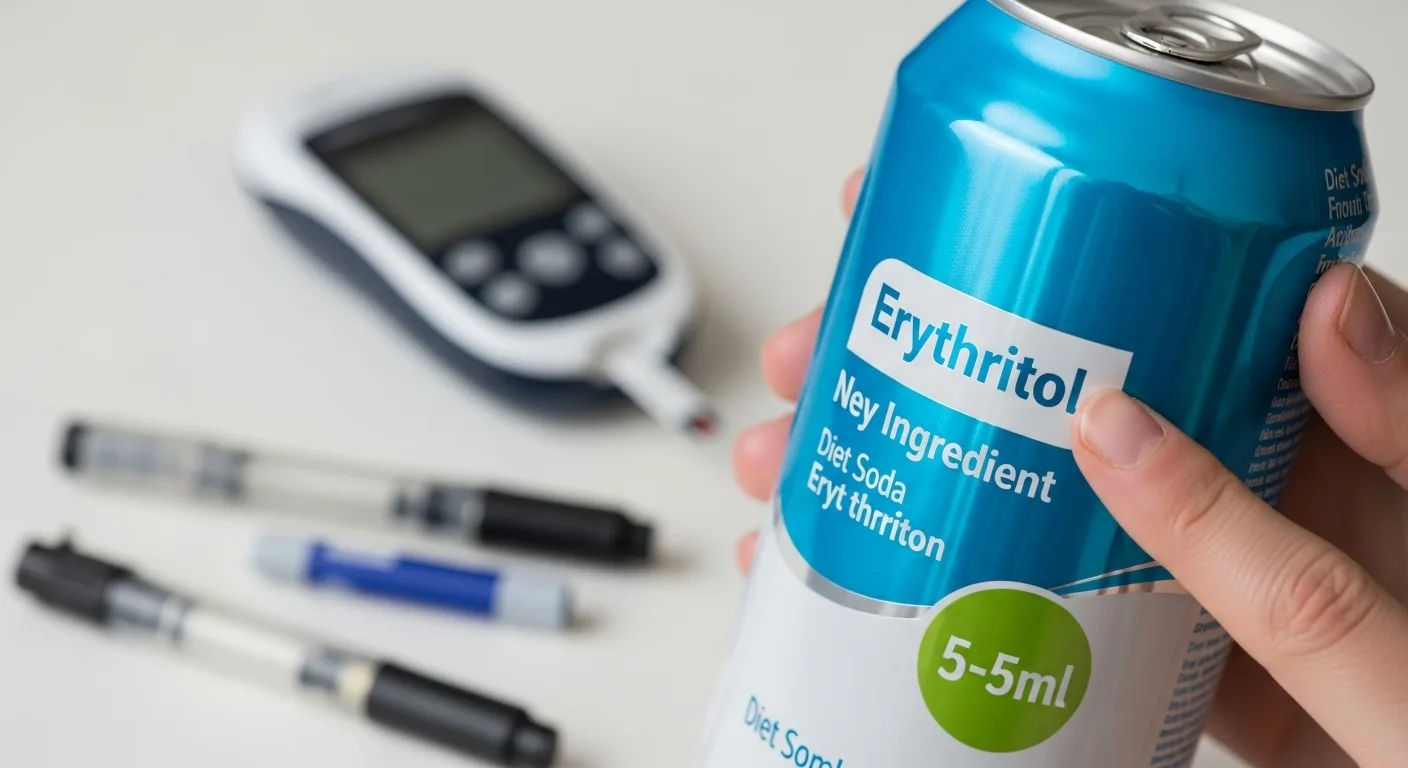
Introduction — The “Sweet” Truth Behind Popular Diet Foods

Sugar substitutes like erythritol are everywhere — in diet sodas, sugar-free snacks, keto products, and “healthier” treats. But a recent study has reignited controversy about whether this seemingly safe sweetener may have hidden risks for brain and cardiovascular health.
For years, erythritol has been marketed as a calorie-free alternative to sugar that doesn’t spike blood glucose — a boon for people trying to lose weight or manage diabetes. But new evidence is suggesting the story is not so simple.
Read Also: How Long Does It Take to See Results From Working Out? (Realistic Timelines Explained)
1. What Scientists Are Finding About Erythritol
Researchers at the University of Colorado recently published lab findings that erythritol may damage the cells that make up the brain’s protective blood-brain barrier — a critical defense that controls what enters and exits the brain.
In these experiments, erythritol exposure caused:
- Oxidative stress in blood vessel cells, which means harmful free radicals badly damaged the cells.
- A disruption of nitric oxide production, which normally helps blood vessels relax.
- Increased levels of endothelin-1, a molecule that tightens blood vessel walls and can reduce blood flow.
These changes resemble factors known to raise the risk of ischemic stroke, where a blood vessel blockage cuts off oxygen to the brain.
Read Also: Diet Coke vs Regular Coke: Which Is Healthier for Weight Loss, Blood Sugar, and Long-Term Health?
2. Does This Mean Sweeteners Are Dangerous?

Not automatically.
- Many current findings come from cell-based laboratory studies, not large randomised clinical trials in humans. Scientists emphasise that lab work shows possible mechanisms, not definitive proof that erythritol causes strokes in people.
- However, observational human studies have linked higher blood levels of erythritol to increased rates of cardiovascular events — like stroke and heart attack — in some populations.
In one large multicenter observational study, people with the highest erythritol levels in their blood were more likely to suffer major adverse cardiac events compared to those with lower levels.
3. What the Research Says About Stroke Risk Beyond Sweeteners
Erythritol is not the only diet food ingredient under scrutiny. Earlier long-term cohort studies have shown that people who consume larger quantities of artificially-sweetened beverages tend to have higher risks of stroke and cardiovascular issues compared with those who drink fewer such products.
While these studies cannot prove artificial sweeteners are the direct cause, they underscore a growing concern: replacing sugar with artificial options doesn’t automatically eliminate health risks.
Read Also: How Lack of Sleep is Ruining Your Mental Health
4. Practical Tips: What You Can Do

Here’s how to make more informed choices based on current science:
👉 1. Reconsider frequent consumption of zero-calorie sweetened drinks
Even though these drinks may help with weight control, consistent intake may be linked to altered vascular health.
👉 2. Choose natural, whole foods when possible
Fresh fruits contain natural sugars paired with fibre and micronutrients — unlike processed diet foods.
👉 3. Monitor your overall carbohydrate quality, not just sugar content
Studies continue to show that balanced eating patterns (like Mediterranean-style diets) are associated with lower stroke and heart disease risk overall.
👉 4. Talk with a healthcare professional
If you have risk factors like heart disease, diabetes, or a family history of stroke, discuss what your sweetener choices mean for your health.
5. The Bottom Line
Erythritol and other artificial sweeteners may still have a place in dieting, especially for short-term sugar reduction or blood sugar management, but emerging research suggests these substitutes are not risk-free.
Before assuming a “sugar-free” label means “safe,” consider the broader picture: quality, quantity, and individual health context matter most.
Read Also: The Hidden Health Risk of Wearing Your Smartwatch 24/7: Cancer Concerns Explained
Frequently Asked Questions About Erythritol and Stroke Risk
Read Also: Health and Fitness Goals for 2026: Why do People Give up on Goals they set.
❓ Does erythritol increase the risk of stroke?
Emerging research suggests a possible link between high blood levels of erythritol and an increased risk of stroke. Laboratory studies indicate erythritol may impair blood vessel function and increase oxidative stress. Additionally, some observational studies have found higher cardiovascular event rates among individuals with elevated erythritol levels.
However, researchers caution that current evidence does not prove direct causation. More large-scale human trials are needed to confirm long-term stroke risk.
❓ How does erythritol affect the blood-brain barrier?
Recent cell-based research suggests erythritol may damage endothelial cells that form the blood-brain barrier. Scientists observed:
- Increased oxidative stress
- Reduced nitric oxide production
- Elevated endothelin-1 levels
These changes may impair blood vessel dilation and circulation, potentially increasing the risk of ischemic stroke.
❓ Is erythritol safer than sugar?
Erythritol does not raise blood sugar or insulin levels like regular sugar, making it popular for people with diabetes or those following low-carb diets.
However, “safer” depends on context:
- For blood sugar control → it may be beneficial
- For long-term cardiovascular health → research is still ongoing
Moderation remains key.
❓ Are diet drinks linked to stroke?
Some large observational studies have found that people who frequently consume artificially sweetened beverages may have a higher risk of stroke and heart disease.
It’s important to note these studies show association, not direct cause-and-effect. Lifestyle factors such as obesity, diabetes, and metabolic syndrome may also influence outcomes.
Read Also: Onion Juice for Hair Growth: Evidence, How It Works, Step-by-Step Guide, Benefits & Risks
❓ Who should avoid erythritol?
You may want to limit erythritol intake if you:
- Have existing cardiovascular disease
- Have a history of stroke
- Have multiple metabolic risk factors
- Frequently consume sugar-free processed foods
People with sensitive digestive systems may also experience bloating or gastrointestinal discomfort from high intake.