Author: kwamebrew

  • Dry lips and six (6) other signs of early diabetes

    Dry lips and six (6) other signs of early diabetes

    Signs of early diabetes

    What is Diabetes?

    It is a long-term condition that negatively affects how your body turns food into energy.

    Food is broken down into sugar and released into your bloodstream when you eat. When the sugar levels are too high, the body alerts the pancreas to release insulin.

    The insulin released by the pancreas allows the broken blood sugar to be released into your cells to provide the body with the energy it needs.

    With diabetes, your body doesn’t make enough insulin or can’t use it as well as it should. When this is on the verge of happening, your body has a way of telling you that it is time to check your sugar levels and take the necessary action. Here are seven of those warning signs you will experience mostly in the mornings:

    1. Dry Mouth

    Experiencing a dry mouth or xerostomia when you wake up first thing in the morning is a major symptom of type 1 and type 2 diabetes. If you wake up feeling very thirsty every morning, you should consider getting your sugar level checked and addressing the problem, if any. Although several other conditions can cause a dry mouth accompanied by thirst, you should consult a doctor if you suspect diabetes or have a history of it in your family.

    2. Erectile dysfunction

    early warning signs of Diabetes

    Men with diabetes, particularly those with type 2 diabetes, frequently experience erectile dysfunction, which is the inability to achieve or sustain an erection that is strong enough for sex. It may result from inadequate long-term blood sugar regulation, which can harm nerves and blood vessels.

    Also Read: Medical and Natural Remedies to Get Rid of Stretch Marks.

    3. Shaky hands

    Blood sugar levels below four millimoles (mmol) per liter typically result in symptoms. Feelings of hunger, shaking or shakiness, and sweating are typical early warning signals. In more extreme circumstances, you can also experience confusion and difficulties focusing.

    ​4. Nausea

    High sugar levels in your blood trigger frequent episodes of nausea in people who may be suffering from diabetes. Nausea in itself isn’t a significant call for concern however it is usually accompanied by vomiting in the case of a person that may be nearing diabetes. The feeling may be mild or severe. To manage diabetes-related nausea you should avoid too spicy foods and your carbs should come from unprocessed non-starchy vegetables.

    5. Blurry vision

    early warning signs of Diabetes

    Experiencing blurry vision when you wake up in the morning is a possible indication that your blood sugar levels are high and hence there is a need to check it. Lazy vision is also common in people who are developing diabetes due to the enlargement of their eye lenses.

    Eye lenses may change shape and your vision may become blurry if your blood sugar levels go from low to normal quickly. After your blood sugar levels have stabilized, your vision returns to normal.

    Also Read: Five (5) signs you have too much salt in your system.

    6. Numb feet

    People suffering from diabetes suffer from diabetic neuropathy which is a condition caused by high glucose in the blood. The presence of high levels of sugar in the blood damages the nerves mostly in the feet. Diabetic neuropathy symptoms can range from tingling and pain to numb hands, feet, and legs, depending on which nerves are affected.

    7. Fatigue

    Signs of early diabetes

What is Diabetes?
It is a long-term condition that negatively affects how your body turns food into energy

    Fatigue is one of the most common symptoms of high blood sugar. In people with diabetes, it is referred to as diabetes fatigue. Many people with the condition feel tired all the time regardless of how well they sleep, how healthily they eat, or how much they exercise regularly. Research has shown that up to 61% of people who are recently diagnosed with the condition experience fatigue.

    Other Warning signs of diabetes

    Aside from the above-listed symptoms, other signs like faintness, disorientation, tiredness, and numb feet are other possible signs of impending diabetes. These changes may be very difficult to notice and many mistake them for a usual condition however they are the core indicators of diabetes.

    Follow on Facebook Here

  • The Bitter Truth: Sugary Drinks and Hair Loss in Men

    The Bitter Truth: Sugary Drinks and Hair Loss in Men

    Link Between Sugary Drinks and Hair Loss: In the quest for healthier lifestyles, many of us have become increasingly aware of the detrimental effects of sugary drinks on our bodies.

    From weight gain to increased risk of diabetes and heart disease, the negative impacts of excessive sugar consumption are well-documented.

    However, recent research suggests that the consequences might extend even further, reaching as far as our hairlines.

    A study published in the British Journal of Dermatology uncovered a potential association between high sugar intake and male pattern baldness.

    Also Read: A new study establishes a link between sanitizers and brain development.

    Researchers examined the dietary habits of over 2,000 men and found that those with a high intake of sugary beverages were more likely to experience hair loss.

    Specifically, the study revealed that the risk of male pattern baldness increased by over 20% in men who consumed sugary drinks regularly. Study Links Sugary drinks and hair loss

    How exactly does sugar contribute to hair loss?

    Sugary Drinks and Hair Loss

    One theory revolves around insulin resistance, a condition in which the body’s cells become less responsive to the hormone insulin.

    When we consume sugary drinks, our blood sugar levels spike, prompting the pancreas to release insulin to help regulate glucose levels.

    Over time, frequent consumption of sugary beverages can lead to insulin resistance, which in turn may disrupt hair follicle function and contribute to hair loss.

    Furthermore, sugary drinks are often loaded with unhealthy additives and preservatives, which can wreak havoc on our bodies. High levels of processed sugars can cause inflammation throughout the body, including the scalp, potentially disrupting the hair growth cycle and leading to shedding.

    Also Read: Increased Risk of Cancer Amongst Younger People

    But it’s not just soda that’s to blame. Fruit juices and other seemingly innocent beverages can also contain alarming amounts of sugar. Even seemingly healthy options like smoothies may harbor hidden sugars, making it essential to scrutinize labels and opt for whole fruits and vegetables whenever possible.

    So, how can you protect your locks and ward off the dreaded receding hairline?

    The answer lies in moderation and mindful consumption. While the occasional sugary indulgence is unlikely to cause significant harm, excessive intake can affect your overall health – including your hair.

    Instead, focus on nourishing your body with a balanced diet rich in whole foods, lean proteins, and essential nutrients. Incorporate plenty of fruits, vegetables, and whole grains into your meals, and hydrate with water or herbal teas rather than sugary beverages.

    In conclusion, the link between sugary drinks and hair loss in men is a sobering reminder of the far-reaching impacts of our dietary choices.

    By cutting back on sugary beverages and prioritizing whole, nutrient-dense foods, you can support not only your hair health but your overall well-being.

    So, the next time you reach for that soda or sugary concoction, consider opting for a healthier alternative – your hair will thank you for it.

  • A new study establishes a link between sanitizers and brain development.

    A new study establishes a link between sanitizers and brain development.

    Hand sanitizers and brain development: When the COVID-19 pandemic broke out and spread across borders, Items like nose masks and hand sanitizers became tools to prevent or minimize the spread.

    To date, they have become a part of our lives, replacing traditional hand-washing.

    A new study conducted by molecular biologist Erin Cohn and his colleagues suggests that certain common household items can cause damage to supporting cells present in the brain.

    These compounds are found in items like furniture, textiles, disinfectants, and glues.

    Also Read: Increased Risk of Cancer Amongst Younger People

    This new study was carried out based on human cell cultures and mice. The effect of such chemicals was found to be more prevalent in the early stages of brain development.

    Erin Cohn tested the effect of 1,823 compounds on a group of cells known as oligodendrocytes under laboratory conditions.

    He found out that these compounds either killed oligodendrocytes or stopped their maturation.

    The team’s observation confirmed a link between Hand sanitizers and brain development.

    What are oligodendrocytes?

    Oligodendrocytes are critical components for the central nervous system (CNS) functioning.

    Oligodendrocytes generate and maintain myelin, increasing the speed and efficiency of axonal signal conduction and contributing to the structure and maintenance of the ensheathed axons.

    Simply put they ensure that your brain signals move at the required speed.

    How do These Chemicals Find their way into The Brain?

    They enter the brain when you inhale or unknowingly ingest them.

    The team found some of these “brain-killing” compounds used in sanitizers, hand wipes, disinfectant sprays, and household products,

    Another class of toxic compounds found in basic household items was organophosphates.

    They are compounds usually found in textiles, electronics, and furniture. They act as flame retardants.

    Fat-soluble organophosphates can permeate through the skin and find their way into the brain.

    Experiment Carried Out on Mice

    The researchers gave lab mice an oral dose of three quaternary compounds and found out days later that detectable levels of these compounds were inside the brain tissue of the mice.

    The number of oligodendrocytes in the brain tissues of the mice had reduced after administring 10 daily doses of cetylpyridinium chloride.

    cetylpyridinium chloride is also a type of quaternary compound.

    “We found that oligodendrocytes – but not other brain cells – are surprisingly vulnerable to quaternary ammonium compounds and organophosphate flame retardants,” said Cohn.

    You can find the Publication In the journal Nature Neuroscience.

  • Heavy Makeup Use; Four (4) health risks.

    Heavy Makeup Use; Four (4) health risks.

    Today’s woman believes that without heavy makeup Use, she isn’t pretty enough to step out of the house.

    In my personal opinion, it’s like a drug that creates a temporary illusion of beauty, the reason why some people are almost addicted.

    While others prefer to wear their natural look, some simply cannot go a day without it.

    If you are one of such people then you might want to read on to find out what the implications of heavy makeup use are.

    Here are some health risks associated with Heavy Makeup Use

    1. CLOGGED FACIAL SKIN PORES

    The tiny pores on your face are meant to help your skin to breathe. Applying heavy water or oil-based foundations and concealers will block these pores. Over a long time, you’ll be left with oxygen-deprived skin.

    In some cases, it can even lead to the formation of acne because your skin will try to remove the blockage in the pores by excreting more oils

    The discomfort you feel under your skin after downloading heavy makeup on your face is your body’s way of warning you.

    2. RISK OF SKIN CANCER

    Not much research has been conducted on the effects of heavy makeup use on the skin making it even riskier because little is known about it.

    There are however instances where certain carcinogenic compounds have been found in makeup. Compounds such as arsenic and formaldehyde are found in most low-grade makeup kits.

    According to the American Cancer Society, skin cancers are one of the most common types of cancers which affect one in five people.

    Before you purchase any product for your make up make sure you know what it’s made of.

    3. PREMATURE AGING 

    The makeup industry is worth USD 374.18 billion and is rapidly growing. This should tell you that a lot goes into it. To make sure this industry thrives demand is often created.

    Applying the makeup clogs your skin, causing dryness and irritation to make you look older than your age. You’re then forced to buy some so-called “upgraded new formula” that promises to make you look even better but is making you look a lot older.

    You’ll end up requiring more and more makeup to conceal the wrinkles and fine lines you have caused yourself.

    Applying makeup daily will minimize the number of times you apply your sunscreen. Most products do not have enough sun protection, meaning the skin on your face is under direct UVB and UVA rays from the sun.

    Ditch your makeup and apply sunscreen when you need to. If you do not apply sun protection for over thirty days you are definitely going to age faster.

    4. EYE INFECTIONS

    Today's woman believes that without heavy makeup Use, she isn't pretty enough to step out of the house.

    The areas around your eyes are very sensitive and hence you should be careful when applying makeup like mascara. When not properly applied it can get into the eyes and harden beneath the eyelids.

    Over time it acts like an abrasive as you close and open your eyes. This scratches your cornea and over a long period could lead to blindness or eye infection.

    Although rare, there has been an instance involving a woman who had been applying mascara for over 25 years. In her case, she often went to bed with her makeup on. pieces of the mascara accumulated behind her eyelids.

    The area around your eyes and your eyelid is thin and delicate. This is also where you use makeup like foundation, concealer, eyeshadow, eyeliner, and mascara. Any kind of irritant in your eye makeup can cause severe harm to your eyes. It can even lead to an eye infection.

    Read Also: Increased Risk of Cancer Amongst Younger People

    In conclusion, makeup is something that doesn’t improve your health in any way therefore care must be taken if applying one. You are at liberty to apply if moderately.

    The industry is also such that it seeks to exploit people’s self-image, most especially women who believe they need to use heavy makeup to look beautiful.

    You’ll end up needing more to maintain your “beauty”.

  • Five (5) signs you have too much salt in your system.

    Five (5) signs you have too much salt in your system.

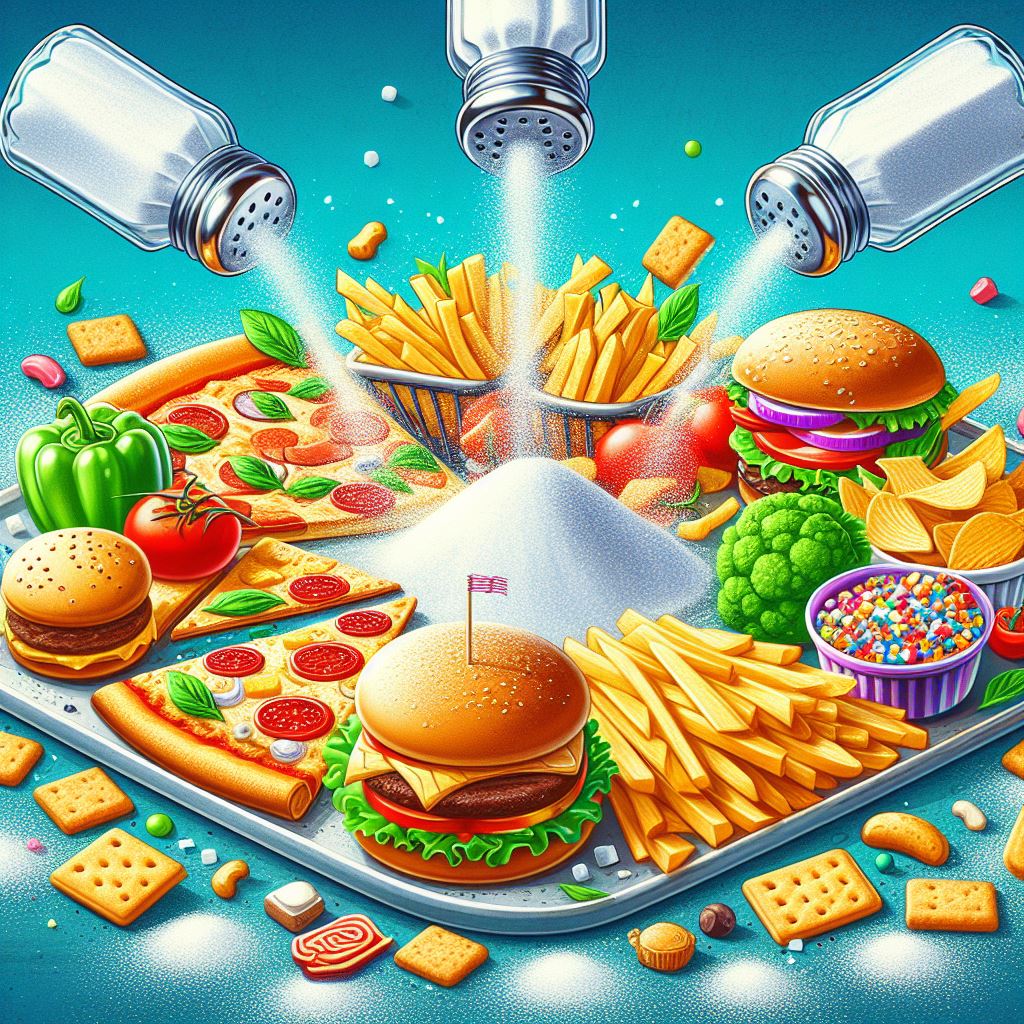
    Many of us are accustomed to the taste of salt in our food, but having too much salt in your system can have adverse effects on our health.

    While sodium is an essential nutrient for muscle and nerve function, as well as fluid balance in the body, overindulging in salt can lead to various signs and symptoms indicating excessive intake.

    Often, the effects of consuming too much salt are not felt until it’s too late; however, some subtle signs will indicate that your system has an excess of salt.

    Read Also: What happens if you eat onions every day?

    You have too much salt in your system when you notice these changes in your body.

    1. Increased Thirst: If you find yourself feeling thirsty after consuming salty foods and constantly need to drink more water to balance out your fluid levels, it could be a sign of excessive salt intake.

    Dehydration, often caused by excessive sodium consumption, can lead to symptoms such as muscle twitches, confusion, and even seizures.

    too much salt in your system

    2. Feeling Bloated: Sodium plays a crucial role in regulating fluid balance, and excess salt intake can result in water retention, leading to bloating.

    Research indicates that a high-sodium diet increases bloating compared to a low-sodium diet. To combat this, focus on incorporating more vegetables and whole grains into your diet, as these fiber-rich foods can help reduce bloating.

    3. Headaches: Excessive salt consumption can disrupt fluid balance, contributing to headaches. Studies suggest that reducing sodium intake while increasing consumption of fruits, vegetables, and low-fat dairy products can help alleviate headaches associated with sodium intake.

    Staying hydrated by drinking plenty of water is also essential to maintain fluid balance and prevent dehydration-related headaches.

    too much salt in your system

    4. High Blood Pressure: Excess salt intake is a known risk factor for high blood pressure. Monitoring your sodium intake is crucial if you have hypertension, as sodium helps regulate fluid levels in the blood.

    Imbalances caused by excessive salt consumption can damage blood vessel linings, increase the risk of blood clot formation, and elevate the likelihood of experiencing a heart attack or stroke.

    To promote heart health, focus on consuming a diet rich in fiber and low in saturated fats.

    5. Stomach Issues: Excessive salt intake can also contribute to stomach inflammation, increasing the risk of conditions such as ulcers and stomach cancers.

    If you experience symptoms such as stomach pain or discomfort, consider adopting a low-sodium diet to support digestive health and overall well-being.

    It’s essential to seek professional medical advice if you experience any concerning symptoms associated with excessive salt intake.

    Making dietary adjustments and prioritizing hydration can help mitigate the effects of overindulging in salt and promote a healthier lifestyle in the long run

    Kindly Follow us on Facebook

  • Increased Risk of Cancer Amongst Younger People

    Increased Risk of Cancer Amongst Younger People

    During last year’s annual American Society of Clinical Oncology meeting, speakers warned of an increased rate of colorectal cancer cases among adults under 40 years.

    According to the experts, the number of cases is expected to double by 2030 and is likely to become the leading cause of cancer deaths for adults in the age bracket 20 to 49.

    Dr. Dimitra Lamprinaki, a researcher at Quadram Institute in Norwich stated that there has been an increase in early-onset colorectal cancer. Stressing that cases are often asymptomatic and younger people often ignore the early signs until it is too late to be removed.

    Read Also: How to deal with sore muscles after an intense workout.

    Possible cause of increased cancer rates among younger adults.

    1. Oral Sex

    Certain Viruses have been linked to contributing to a higher increase in cancer among people in the age bracket 40 to 49 years, mouth cancers being a major part of these cases.

    For example in the UK cases of mouth cancer have seen a rapid increase and half the reported cancer cases have been linked to human papillomavirus (HPV) which is a sexually transmitted virus contracted usually through oral sex.

    Multiple sexual partners make it even worse.

    A study in the journal Cancer highlighted deep kissing heightened the risk of HPV transmission.

    2. Poor Oral Hygiene and Vaping Among Younger People.

    Vaping hinders blood flow to the gums, increasing vulnerability to infections and impeding the healing process.

    The growth of a particular bacteria strain, Fusobacterium nucleatum (F. nucleatum), is promoted by these conditions. F. nucleatum has been linked to various cancers such as breast, colorectal, and head and neck cancers.

    Fusobacterium is described as a sticky bacteria that attaches to teeth and gums, facilitating the entry of other harmful bacteria.

    Poor oral hygiene allows these bacteria to multiply, enter the bloodstream, and potentially reach different organs.

    In early-stage tumors, these bacteria can interfere with chemotherapy and radiotherapy, promoting cancer growth and spread.

    Read Also: What happens if you eat onions every day?

    3. High Consumption of Processed Meat.

    Stomach cancer rates among individuals under 50 have experienced a significant rise, according to a report in the journal Nature.

    Helicobacter pylori (H. pylori), a bacteria residing in the stomach’s mucous layers, is a well-known risk factor for stomach cancer, contributing to approximately 40 percent of cases in the UK.

    The bacteria can lead to atrophic gastritis, a condition characterized by chronic inflammation and thinning of the stomach lining, which can progress to cancer.

    Research indicates that a diet high in processed meats like sausages, bacon, and hamburgers can increase the prevalence of H. pylori in the stomach.

    Lifestyle factors such as excessive consumption of red meat, alcohol, and smoking, combined with the presence of these bacteria, contribute to an elevated risk of stomach cancer.

    4. Consuming Ultra-processed foods.

    Researchers have found that certain species of E. Colli and F.nucleatum bacteria make cancer treatment-resistant. Studies conducted In the past also revealed that consuming ultra-processed foods messes up the stomach’s microbiome in a way that promotes these two bacterial growth.

    “Some bacteria enable gut cells to acquire stem cell-like properties which increases the chance of cancer formation at the cellular level,” says Dr Meera Patel, a researcher in the Colorectal & Peritoneal Oncology Lab at the University of Manchester.

    5. Excessive Alcohol Intake

    Testicular cancer has closely been linked to high alcohol intake according to researchers. Young men who consume more than 14 alcoholic beverages within a week are at a higher risk of testicular cancer.

    The cases of testicular cancer have been found to double yearly since the 1970s and it baffles the minds of cancer experts.

  • How to deal with sore muscles after an intense workout.

    How to deal with sore muscles after an intense workout.

    We have all had to experience sore muscles after an intense workout. The soreness seems to be amplified especially in the morning, leaving you either stuck in bed or disorganized throughout your daily routine.

    What do you do in such a situation and why does it even happen? It is often assumed that continuing your intense workout routine despite the sore muscles is a better way to deal with it but how true is that?

    In this post, we will explore Why we experience sore muscles after an intense workout, what implications it has on your body, and how to deal with it.

    WHY DO I EXPERIENCE SORE MUSCLES AFTER AN INTENSE WORKOUT?

    When you engage in strenuous physical activity, especially if it’s an exercise routine that your body isn’t accustomed to, you subject your muscles to stress and strain beyond their usual level of exertion. This leads to microscopic damage to the muscle fibers and connective tissues.

    Dr. William O. Roberts, a professor in the Department of Family Medicine and Community Health at the University of Minnesota, explains: “DOMS is thought to be a result of microscopic damage to muscle fibers, most likely due to eccentric exercise, which is when the muscle lengthens as it contracts. This type of loading is common in strength training but also occurs in endurance exercises like running downhill.”

    During exercise, particularly during eccentric movements (lengthening of the muscle under tension), such as the lowering phase of a squat or the extension phase of a bicep curl, your muscle fibers develop small tears. This damage triggers an inflammatory response as your body works to repair and rebuild these fibers. This inflammation is a normal part of the muscle repair process.

    What are the Implications of prolonged sore muscles after every intense Workout?

    Experiencing prolonged sore muscles after an intense workout routine has a positive side and a negative side to it. the positive side to having sore muscles are as follows.

    • Increased Muscle Strength and Size: Intense workouts that lead to muscle soreness may stimulate muscle growth and strength gains over time as the muscles adapt to the stress.
    • Improved Endurance: Endurance athletes often experience soreness after intense training sessions, which can lead to adaptations that improve their ability to sustain prolonged activity.
    • Mental Toughness: Regularly pushing through discomfort and soreness can help build mental resilience and discipline, which are valuable attributes in achieving fitness goals.

    READ ALSO: The major role sleep plays in weight loss.

    The negative side to prolonged sore muscles are :

    • Risk of Overtraining: Prolonged soreness after every workout may indicate that the body isn’t fully recovering between sessions. Overtraining can lead to decreased performance, increased risk of injury, and other negative health outcomes.
    • Impaired Daily Functioning: Severe muscle soreness can interfere with daily activities, making it difficult to move comfortably, sit, stand, or perform tasks effectively.
    • Increased Risk of Injury: Sore muscles are more susceptible to injury, especially if proper recovery protocols are not followed. Continuing to train intensely without adequate rest can lead to overuse injuries.
    • Psychological Burnout: Constant soreness without adequate recovery may lead to mental fatigue, demotivation, and burnout, diminishing the enjoyment and sustainability of an exercise routine.

    Persistent pain could also be a sign of an underlying health issue such as insufficient nutrition and hydration or a lack of sleep and rest.

    DEALING WITH SORE MUSCLES AFTER EVERY INTENSE WORKOUT

    To alleviate muscle soreness after an intense workout, there are several strategies you can implement to promote recovery and reduce discomfort. Here’s a detailed guide:

    Rest and Recovery:

    • Allow your body sufficient time to rest and recover between intense workouts. Overtraining can exacerbate muscle soreness and increase the risk of injury.
    • Aim for 7-9 hours of quality sleep per night to support muscle repair and overall recovery.

    Hydration:

    • Drink plenty of water before, during, and after exercise to stay hydrated. Proper hydration supports optimal muscle function and aids in the removal of metabolic waste products from the muscles.
    • Consider electrolyte-replenishing drinks or coconut water to replace lost electrolytes during intense workouts.

    Nutrition:

    • Consume a balanced diet rich in protein, carbohydrates, and healthy fats to support muscle repair and recovery.
    • Include high-quality protein sources such as lean meats, fish, eggs, dairy, legumes, and plant-based protein sources to provide essential amino acids necessary for muscle repair.
    • Eat carbohydrate-rich foods to replenish glycogen stores and provide energy for muscle recovery and repair.
    • Incorporate anti-inflammatory foods such as fruits, vegetables, nuts, seeds, and fatty fish to help reduce inflammation and promote recovery.

    Active Recovery:

    • Engage in light, low-impact activities such as walking, swimming, cycling, or yoga to promote blood flow and aid in the removal of metabolic waste products from the muscles.
    • Active recovery can help alleviate muscle soreness by stimulating circulation and promoting muscle relaxation.

    Stretching and Mobility Exercises:

    • Perform gentle stretching exercises targeting the muscles worked during your workout. Focus on static stretches held for 15-30 seconds to improve flexibility and reduce muscle tension.
    • Incorporate dynamic mobility exercises such as arm circles, leg swings, and hip circles to increase blood flow and range of motion in the joints.

    Foam Rolling and Self-Massage:

    • Use a foam roller or massage roller to perform self-myofascial release (SMR) on tight or sore muscles. Roll slowly and deliberately over tender areas, pausing for 20-30 seconds on trigger points.
    • Foam rolling helps break up adhesions in the muscle fascia, improves circulation, and reduces muscle stiffness and soreness.

    Cold Therapy:

    • Apply cold packs or ice baths to sore muscles to reduce inflammation and numb pain. Cold therapy constricts blood vessels, which can help alleviate swelling and discomfort.
    • Limit cold therapy sessions to 10-20 minutes at a time to avoid tissue damage, and always use a barrier (such as a towel) between the ice pack and your skin to prevent frostbite.

    Warm-Up and Cool-Down:

    • Prioritize a thorough warm-up before your workout to prepare your muscles for activity and reduce the risk of injury. Incorporate dynamic stretches and light aerobic exercises to increase blood flow and elevate muscle temperature.
    • After your workout, cool down with gentle cardiovascular exercise and static stretching to gradually lower your heart rate and promote muscle relaxation.

    READ MORE ABOUT FITNESS

  • The major role sleep plays in weight loss.

    The major role sleep plays in weight loss.

    role sleep plays in weight loss

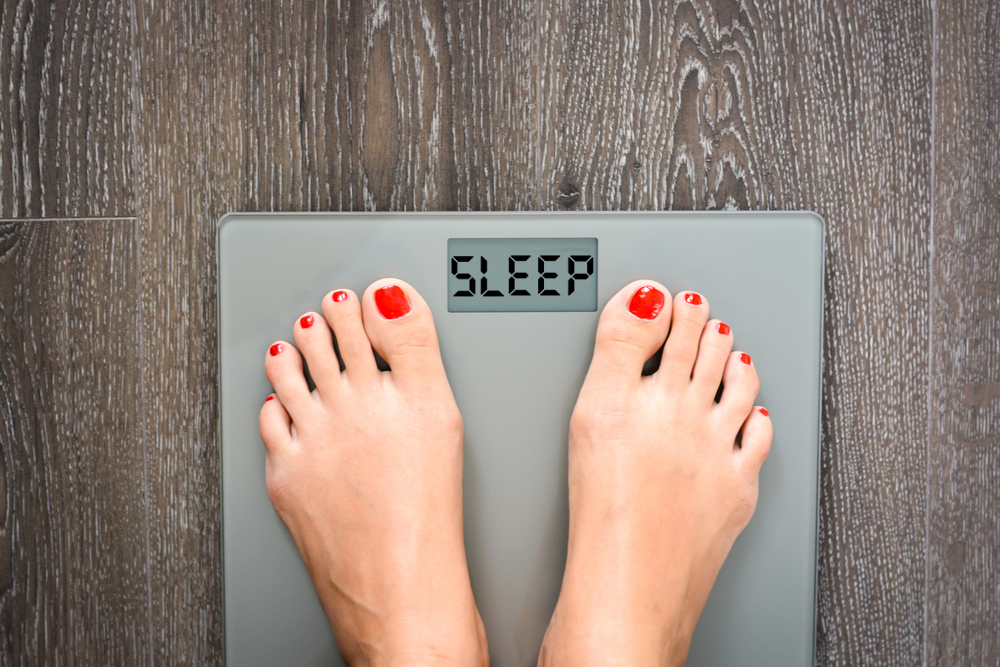
    Are you struggling to shed those stubborn pounds despite your best efforts? Surprisingly, the culprit might not be your diet or exercise routine but rather your sleep habits. Sleep’s role in weight loss is often underestimated, yet it can profoundly impact your ability to shed unwanted weight. Let’s delve into how a lack of sleep could be sabotaging your weight loss goals.

    One of the key factors in successful weight loss is maintaining a healthy lifestyle, which includes getting an adequate amount of quality sleep each night. The importance of sleep in weight loss cannot be overstated.

    When you’re sleep-deprived, your body’s hunger-regulating hormones, ghrelin, and leptin, become imbalanced. This imbalance can lead to increased appetite and cravings for unhealthy, calorie-dense foods, making it harder to stick to your diet plan.

    Read Also: Relieve Lower Back Pain with these simple remedies

    Furthermore, insufficient sleep can disrupt your metabolism, slowing down the rate at which your body burns calories. This metabolic slowdown can hinder your weight loss progress, even if you’re following a calorie-controlled diet and exercising regularly. It’s essential to recognize the role sleep plays in weight loss and prioritize getting enough restful sleep each night to support your weight loss efforts.

    In addition to affecting your hormones and metabolism, a lack of sleep can also increase stress levels, further exacerbating weight gain.

    When you’re stressed, your body releases cortisol, a hormone that not only triggers cravings for unhealthy foods but also promotes fat storage, particularly around the abdominal area. By prioritizing quality sleep, you can help mitigate stress levels and reduce the likelihood of weight gain associated with chronic stress.

    In conclusion, sleep’s role in weight loss cannot be ignored. If you’re struggling to lose weight despite your best efforts, closely examine your sleep habits.

    Prioritizing quality sleep and ensuring you get enough rest each night can help support your weight loss journey and improve your overall health and well-being. So, don’t underestimate the importance of a good night’s sleep when it comes to achieving your weight loss goals.

    FACEBOOK

  • Relieve Lower Back Pain with these simple remedies

    Relieve Lower Back Pain with these simple remedies

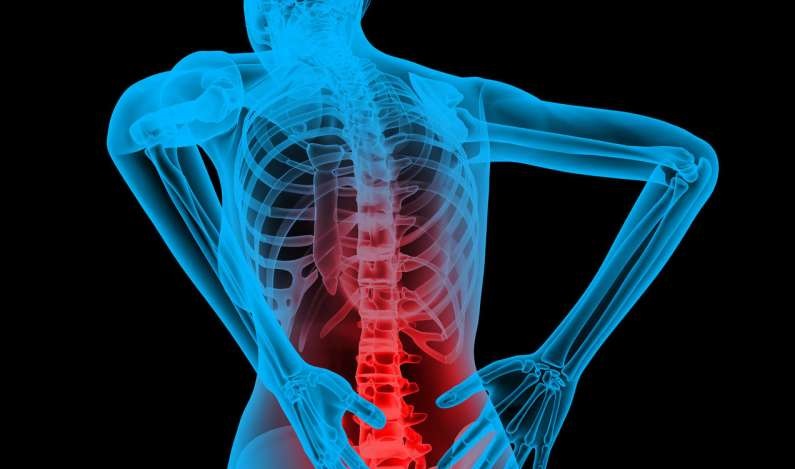
    Are you tired of constantly battling lower back pain? You’re not alone. Lower back pain is a prevalent issue affecting millions of people worldwide. Whether it’s due to poor posture, muscle strain, or underlying medical conditions, the discomfort can be debilitating. The good news is that there are simple remedies you can incorporate into your daily routine to alleviate this pain and improve your quality of life.

    Here are some simple health tips to relieve lower back pain:

    relieve lower back pain

    1. Stay Active: One of the most effective ways to relieve lower back pain is by staying active. Engaging in low-impact exercises like walking, swimming, or yoga can help strengthen your back muscles and improve flexibility, reducing the risk of pain flare-ups.

    2. Maintain Proper Posture: Poor posture is a common culprit behind lower back pain. Make a conscious effort to sit and stand up straight, keeping your shoulders back and your spine aligned. Investing in ergonomic furniture and taking regular breaks to stretch can also help alleviate strain on your back.

    3. Apply Heat or Ice: Applying heat or ice packs to the affected area can provide immediate relief from lower back pain. Heat helps relax tight muscles, while ice reduces inflammation and numbs the area. Experiment with both to see which works best for you.

    Read Also: What happens if you eat onions every day?

    4. Practice Mindfulness: Stress and anxiety can exacerbate lower back pain. Incorporating mindfulness techniques such as deep breathing, meditation, or progressive muscle relaxation can help alleviate tension and promote relaxation, reducing the intensity of your pain.

    5. Seek Professional Help: If your lower back pain persists despite trying these remedies, it’s essential to seek professional help. A chiropractor, physical therapist, or orthopedic specialist can assess your condition and recommend personalized treatment options, such as spinal adjustments, therapeutic exercises, or medication.

    Incorporating these simple remedies into your daily routine can help relieve lower back pain and improve your overall well-being. Remember to stay consistent and listen to your body’s signals. By taking proactive steps to address your pain, you can enjoy a more comfortable and active lifestyle. Relieve lower back pain today and reclaim control of your life.

    Follow us on Facebook

  • What happens if you eat onions every day?

    What happens if you eat onions every day?

    Onions may have a pungent smell when raw, but they add great flavor to your dishes and possess several health benefits. They belong to the genus Allium and are consumed worldwide. There are several varieties of these vegetables, each having excellent nutritional value. There are many benefits you will gain when you eat onions every day.

    1. If you incorporate onions into your everyday meals, your risk of developing cancer will reduce significantly. This is because onions have abundant chemicals that possess cancer-fighting qualities. They are rich in a nutrient called quercetin, which fights the formation or proliferation of cancer cells. Quercetin is also linked with a lower risk of lung cancer.

    2. Regular onion consumption also lowers your risk of developing stroke and cardiovascular diseases. These vegetables are a rich source of sulfur compounds, which lower your cholesterol levels and reduce the risk of blood clot formation, which can lead to cardiac issues and stroke. These sulfur compounds are also responsible for giving onions their unique odor.

    Read Also: Seven (7) things they won’t tell you about growing up

    3. Consuming onions can benefit your health. If you have diabetes, onions are rich in quercetin and sulfur, which aid in insulin production and can be helpful in blood sugar management. Onions are also a rich source of calcium, according to the US Department of Agriculture, containing around twenty-five point three milligrams of calcium. Calcium is essential for strong and healthy bones, so consuming onions daily can help you meet your calcium needs and keep your bones healthy and in good shape.

    4. These vegetables are loaded with antioxidants that help to improve immunity. Onions are loaded with free radical-fighting compounds, allowing them to lower inflammation, slow down the aging signs, and boost your body’s defense mechanisms against infections and diseases. Having onions every day may also be beneficial for those who suffer from allergies; often, onions possess anti-allergen properties, saving you from respiratory issues. According to studies, regular consumption of onions can benefit patients with asthma because it relaxes the muscles of the trachea, allowing for better breathing.

    5. Though cutting a raw onion can make you tear up quickly and irritate your eyes for a short time, these vegetables are quite beneficial to your vision. Onions are also rich in selenium, which helps in vitamin E production, keeping eye issues like conjunctivitis away. These vegetables are also full of other vitamins like vitamins A, C, and K, which can work wonders for your skin and hair. Vitamin C boosts collagen production and helps prevent Wrinkles and fine lines. It also boosts immunity and keeps your gums healthy.

    The vitamin A Content protects your skin from sun damage And prevents collagen breakdown. Additionally, vitamin K also promotes elasticity and provides anti-aging benefits.